
-
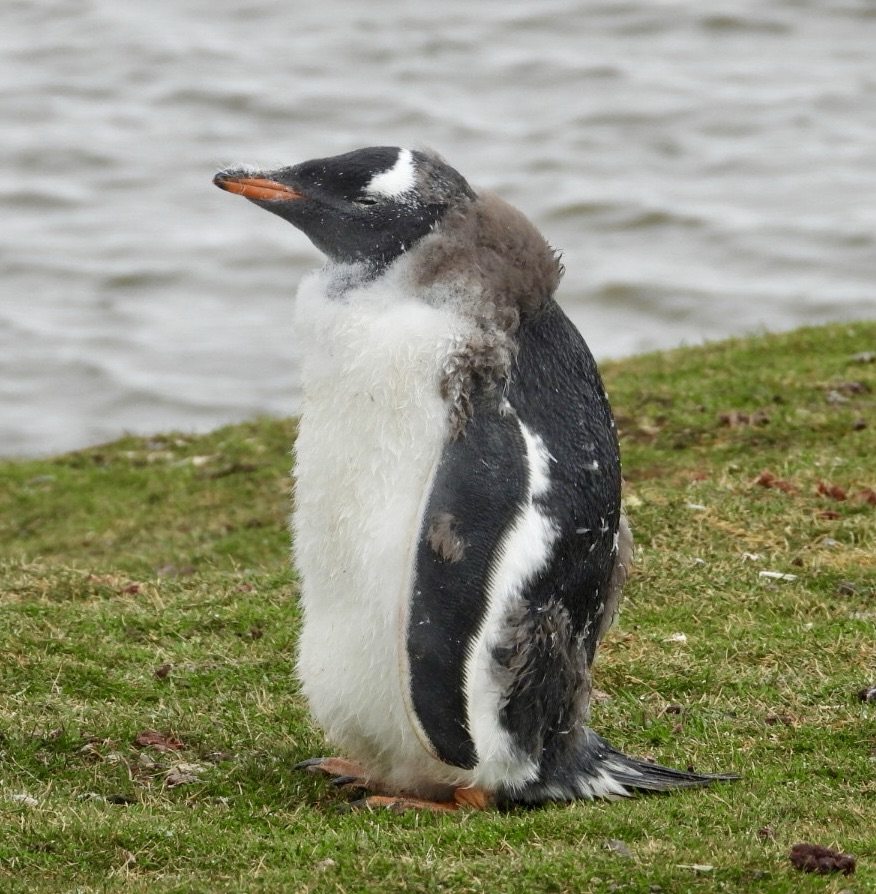
Gentoo Penguin in the Falkland Islands
-
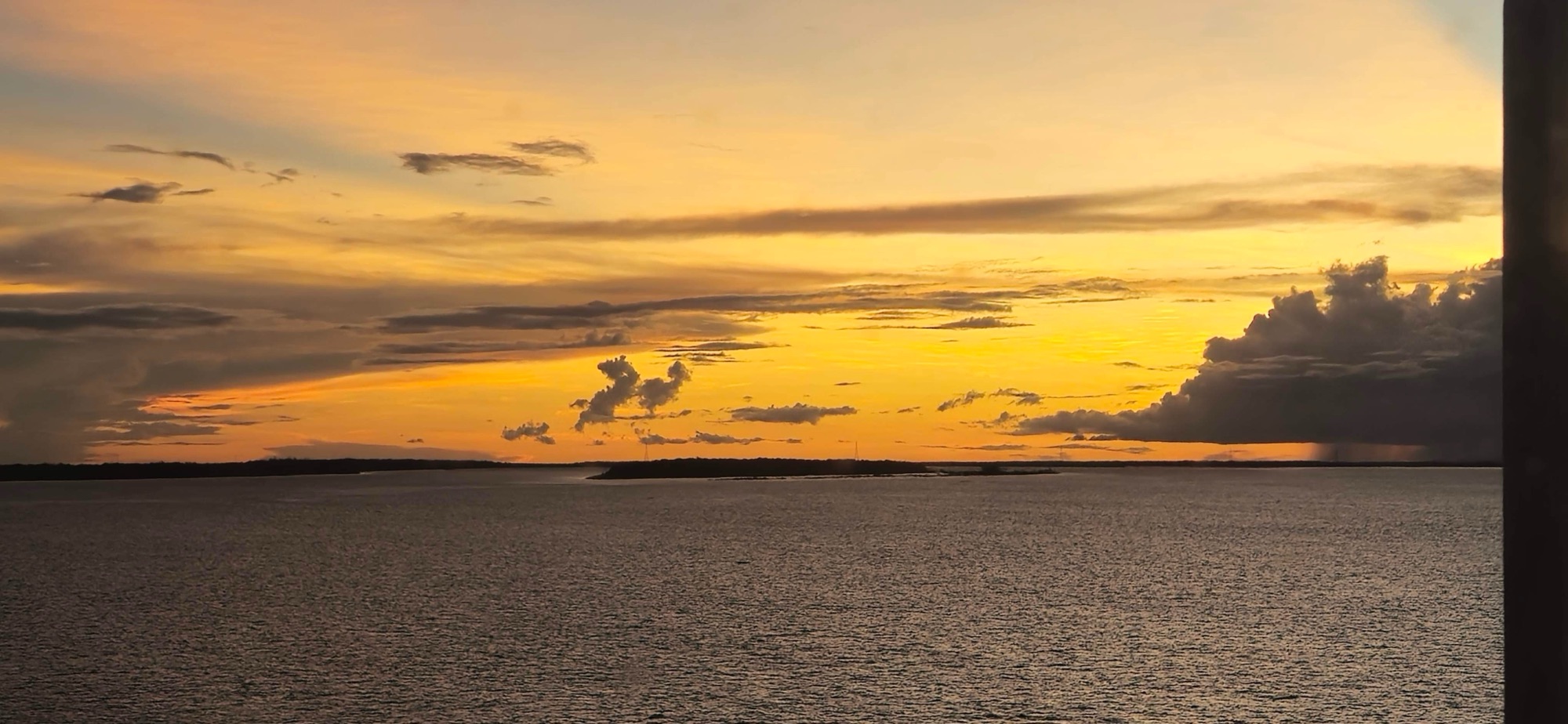
Sunset over the Amazon River
-
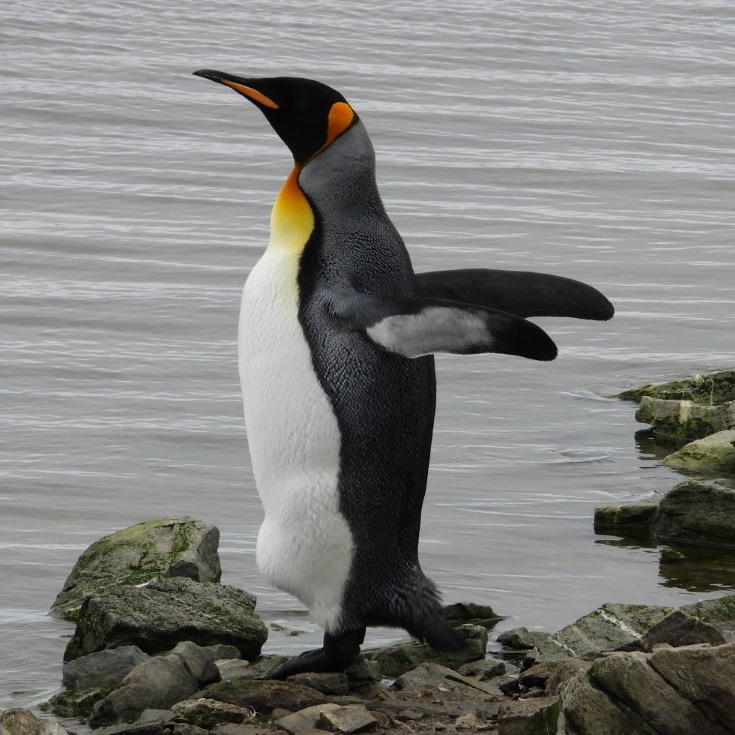
Stanley, Falkland Islands, Penguin
-
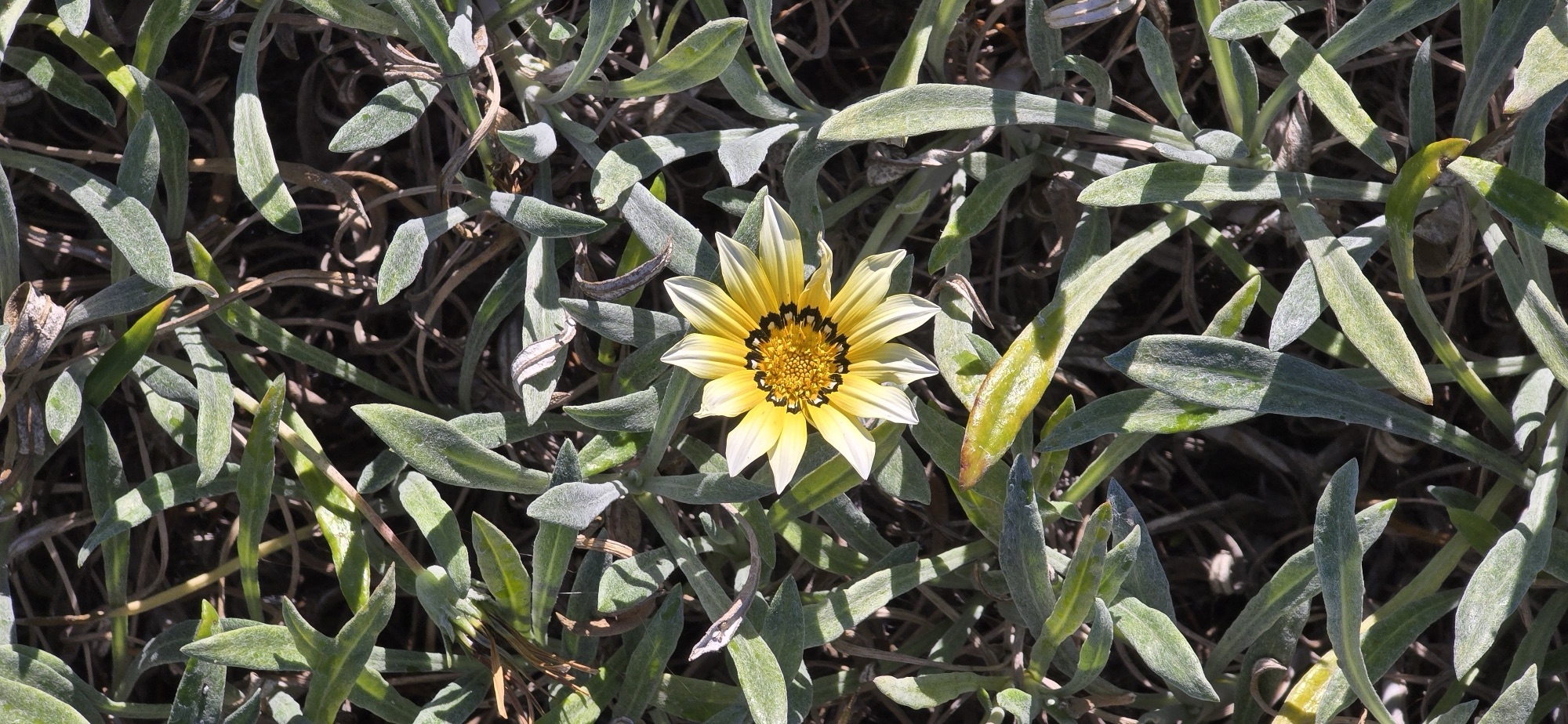
A striking flower at Mount Soledad
-
Sunset from Shelter Island in San Diego

-
Red-vented Bulbul (Pycnonotus cafer) in Suva, Fiji
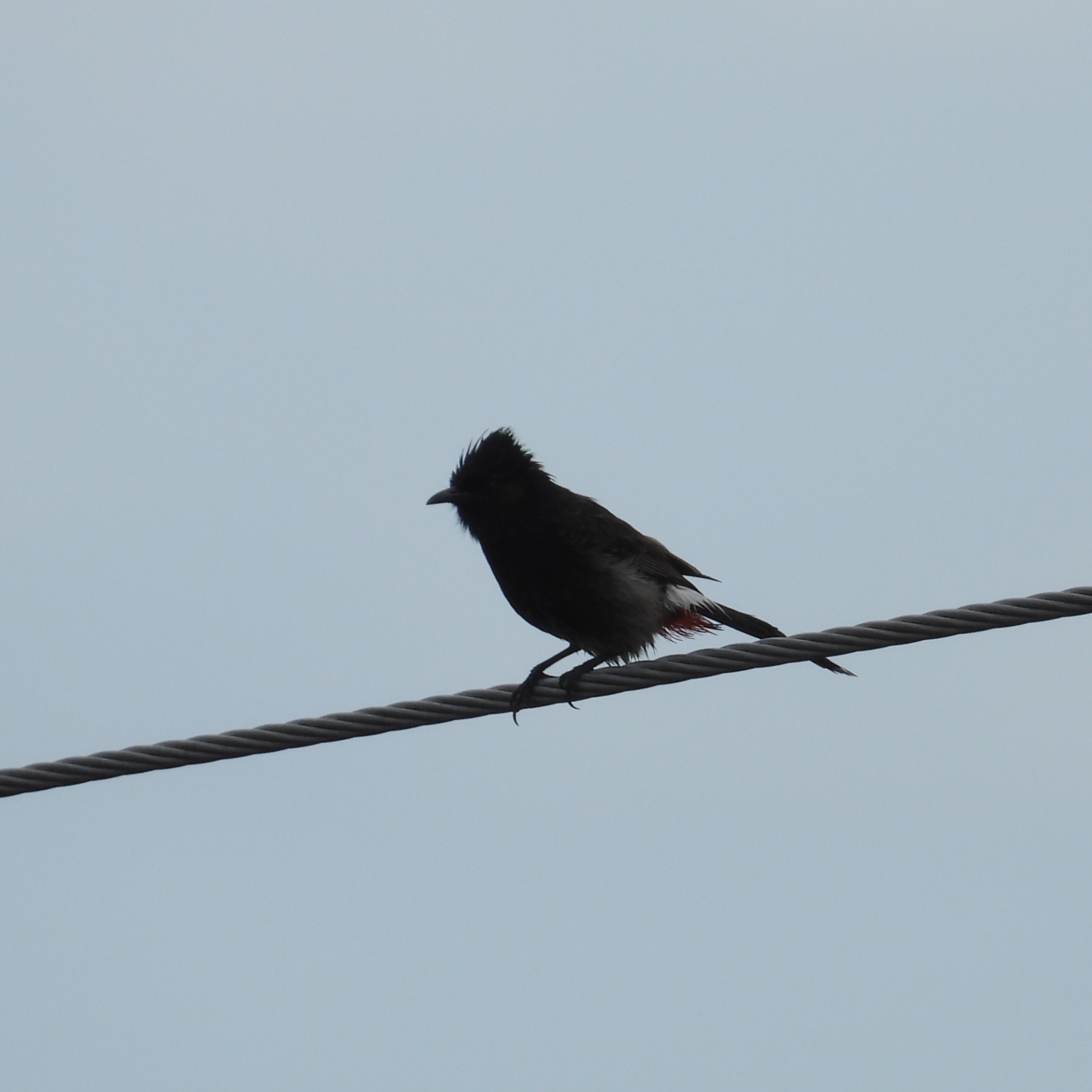
I asked AI for help identifying this bird, it came up with Re-vented Bulbul, Here’s what clinched it: I’m now confident in this identification. It’s great that you were able to get another shot! Red-vented Bulbuls are quite common throughout Fiji, so it’s not surprising to find one perched in an urban area of Suva.…
-
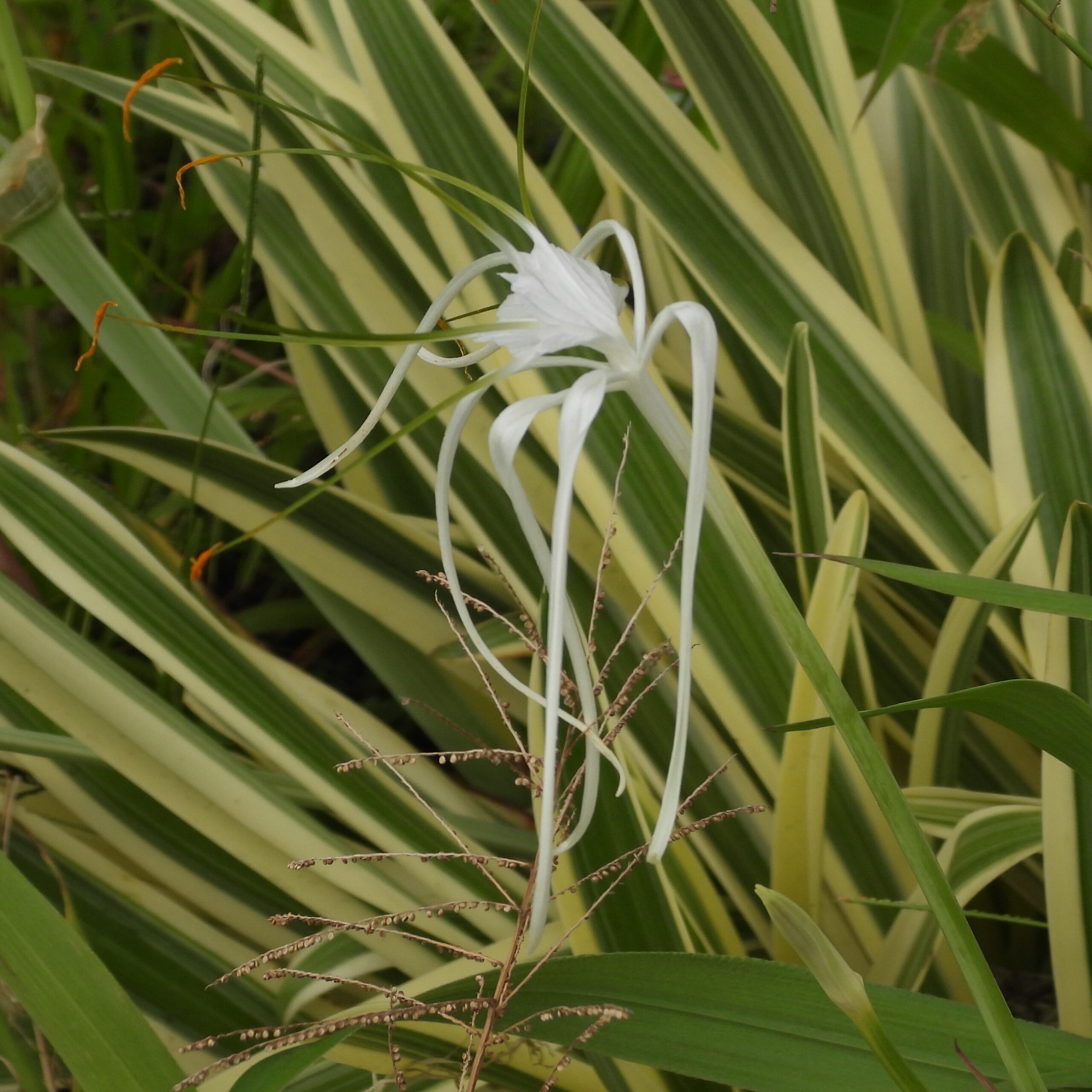
Beach Spider Lily (Hymenocallis littoralis) in Pago Pago, American Samoa
-
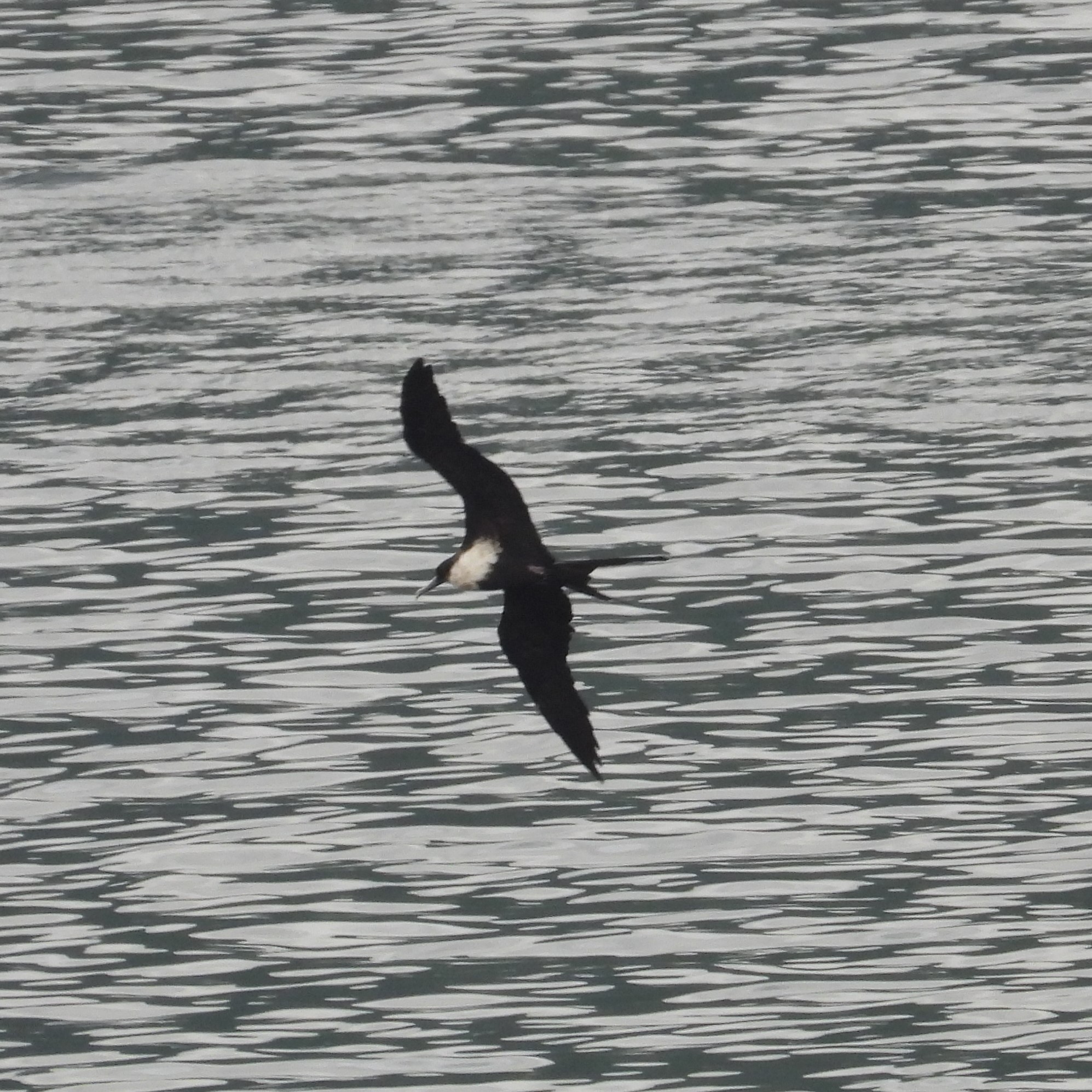
Great Frigatebird (Fregata minor) in Pago Pago, American Samoa
-
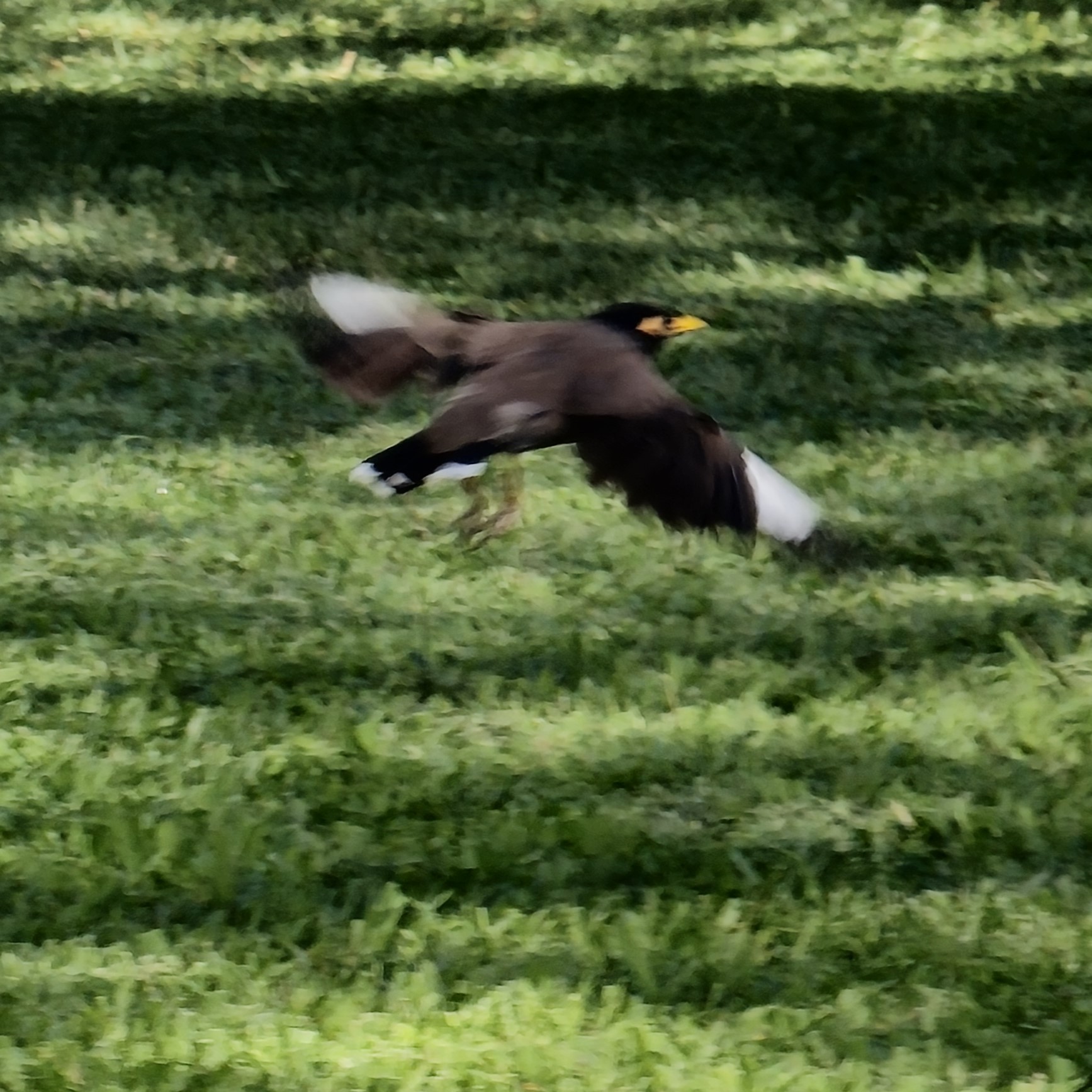
Great Myna and Common Myna Birds seen in Hawaii
-
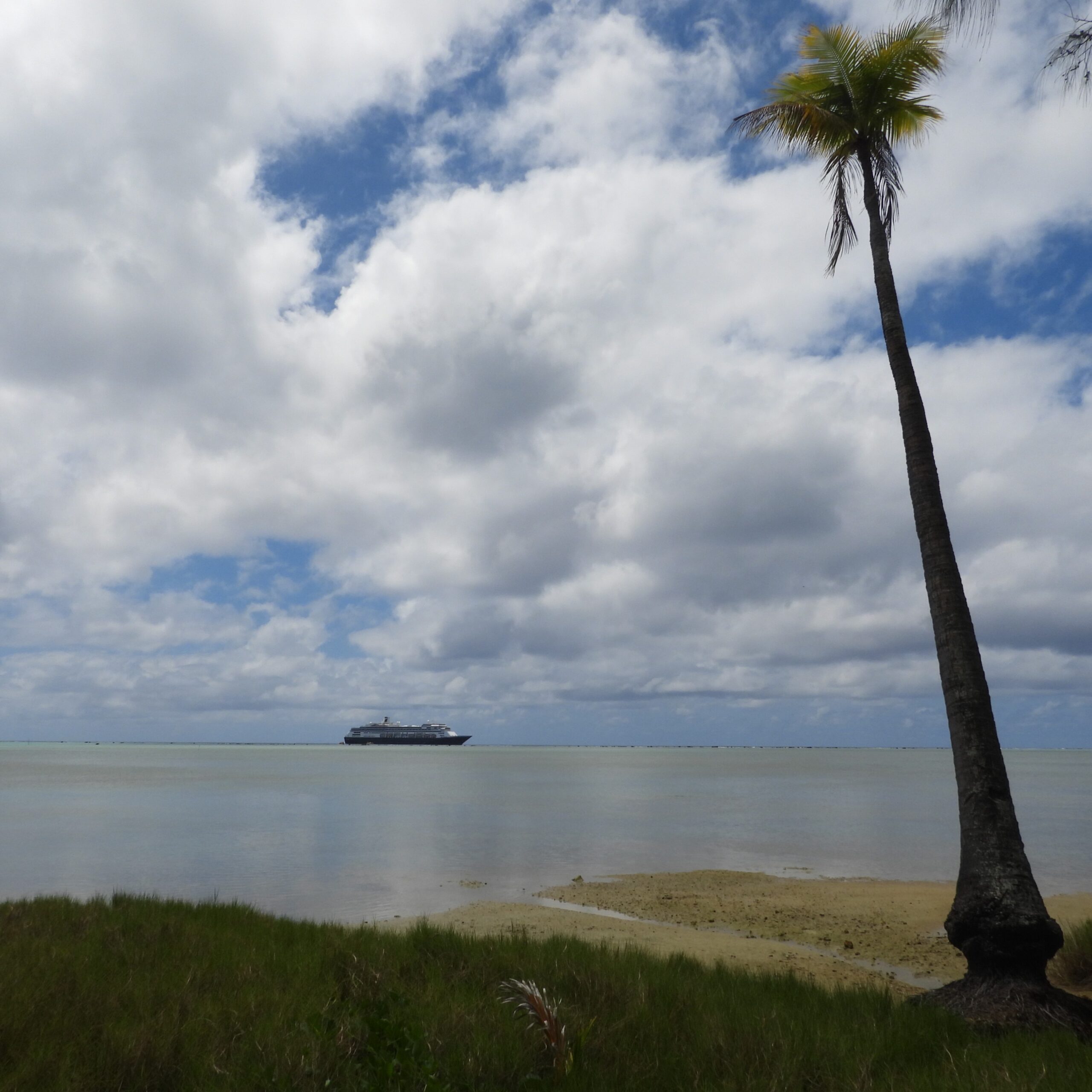
Similar shots that create different effects in Aitutaki, Cook Islands
-
short-billed dowitcher in Hilo Hawaii
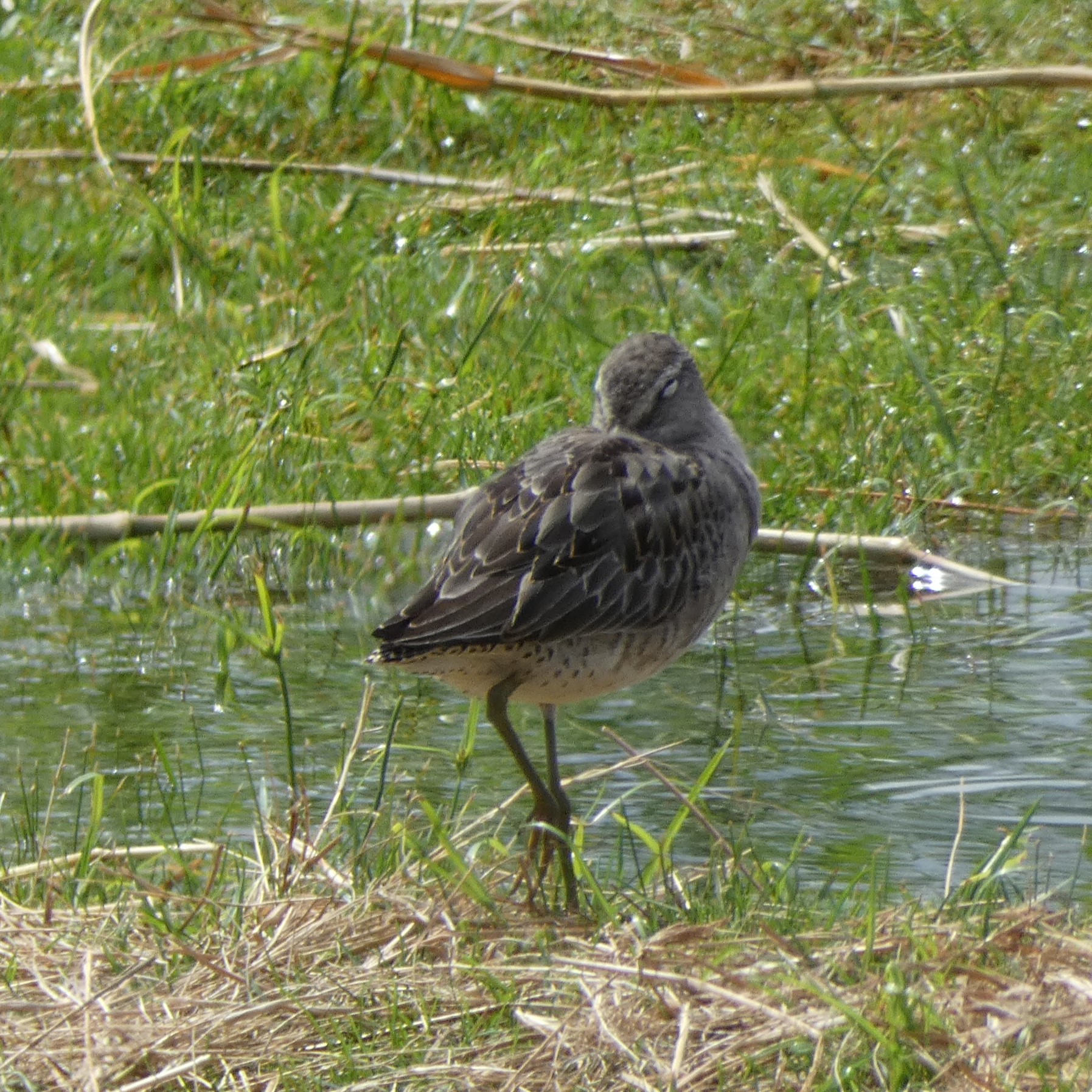
According to the wonderful AI that helps me identify the birds and animals in my photographs: These birds are commonly found in Hawaii during the winter months, as they migrate south from their breeding grounds in the Arctic. They are often seen wading in shallow water or mudflats, probing for food with their long bills.…
-
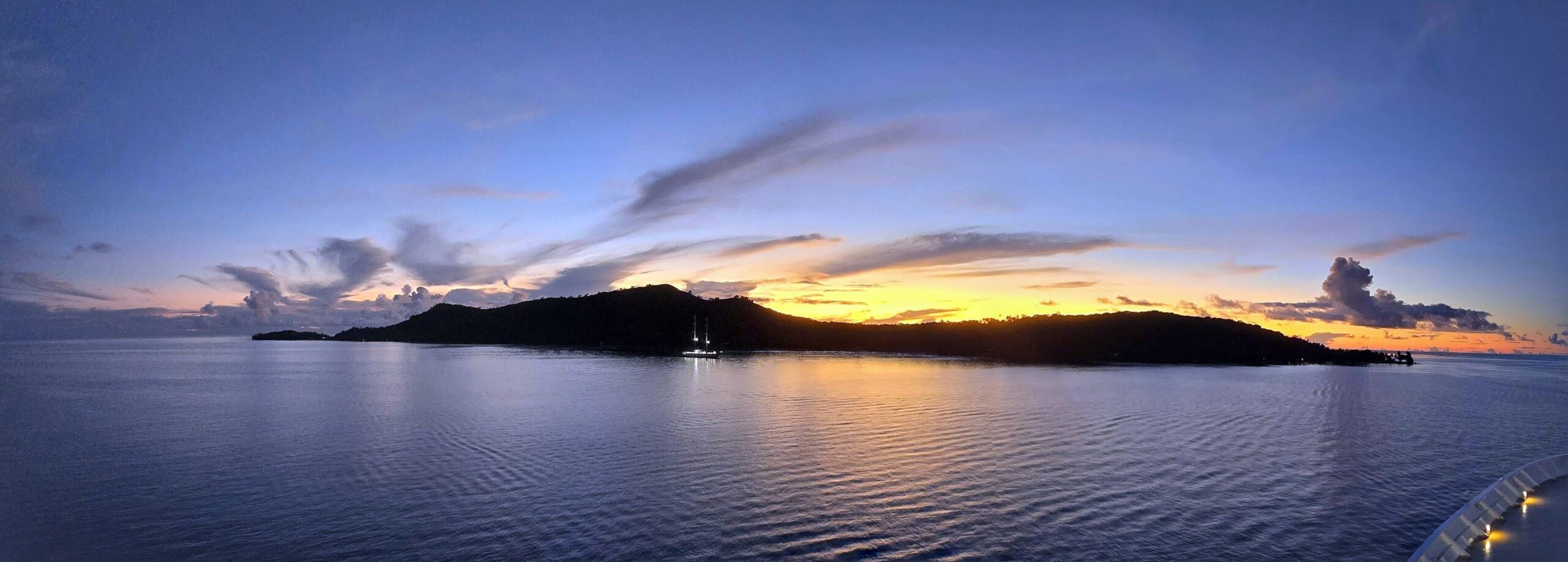
Bora Bora Sunset from the deck of a cruise ship
-
Wandering Tattler in Hilo Hawaii
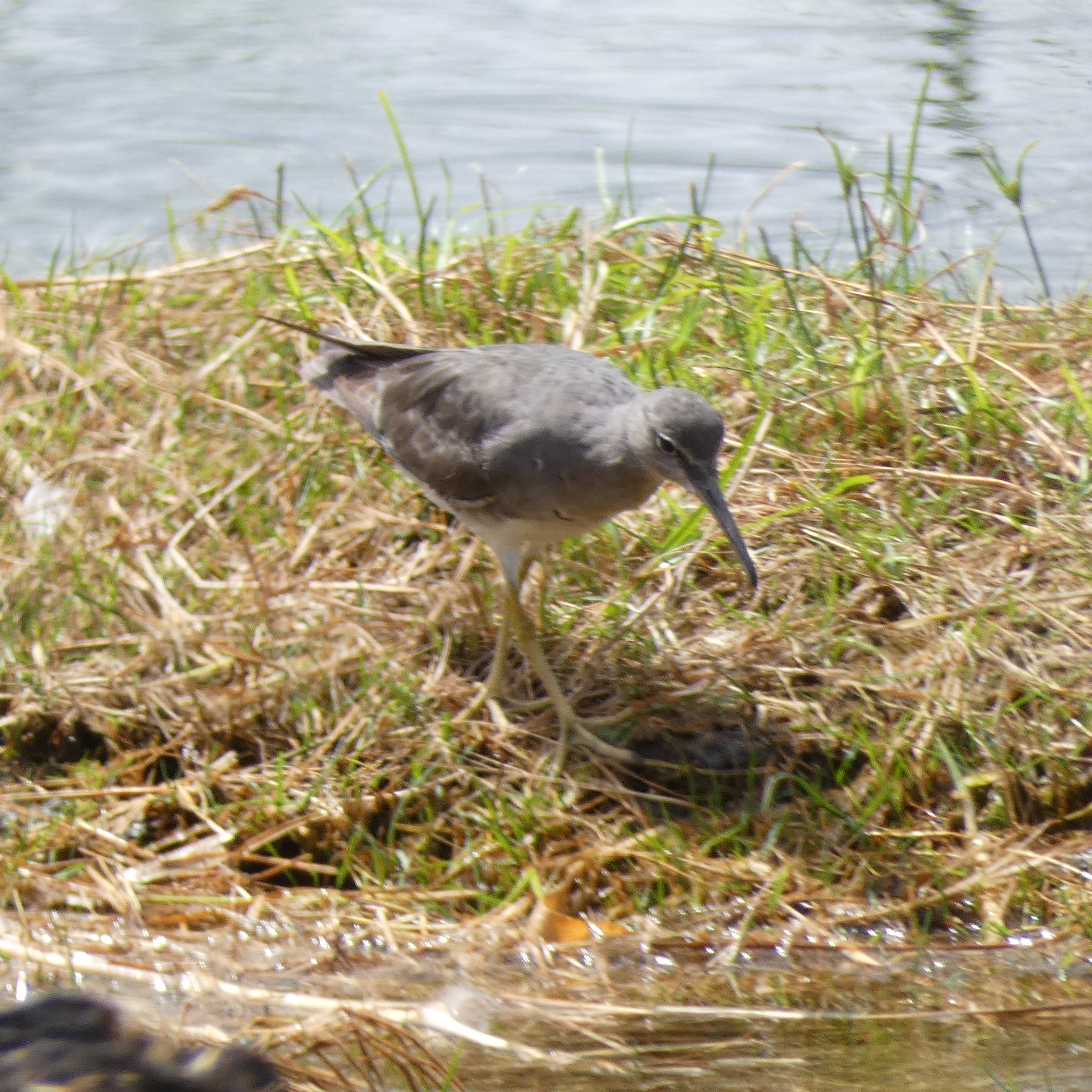
I asked AI to help identify three photos of the same bird, and really loved it’s answer from the third shot: Here’s why this image is particularly helpful: The combination of these features in all your photos, along with the bird’s behavior and location, makes me confident that this is indeed a Wandering Tattler.
-
Sunrise as we sailed in to Moorea

-
Nene Geese, also known as Hawaiian Geese (Branta sandvicensis) in Hilo Hawaii at Liliuokalani Garden
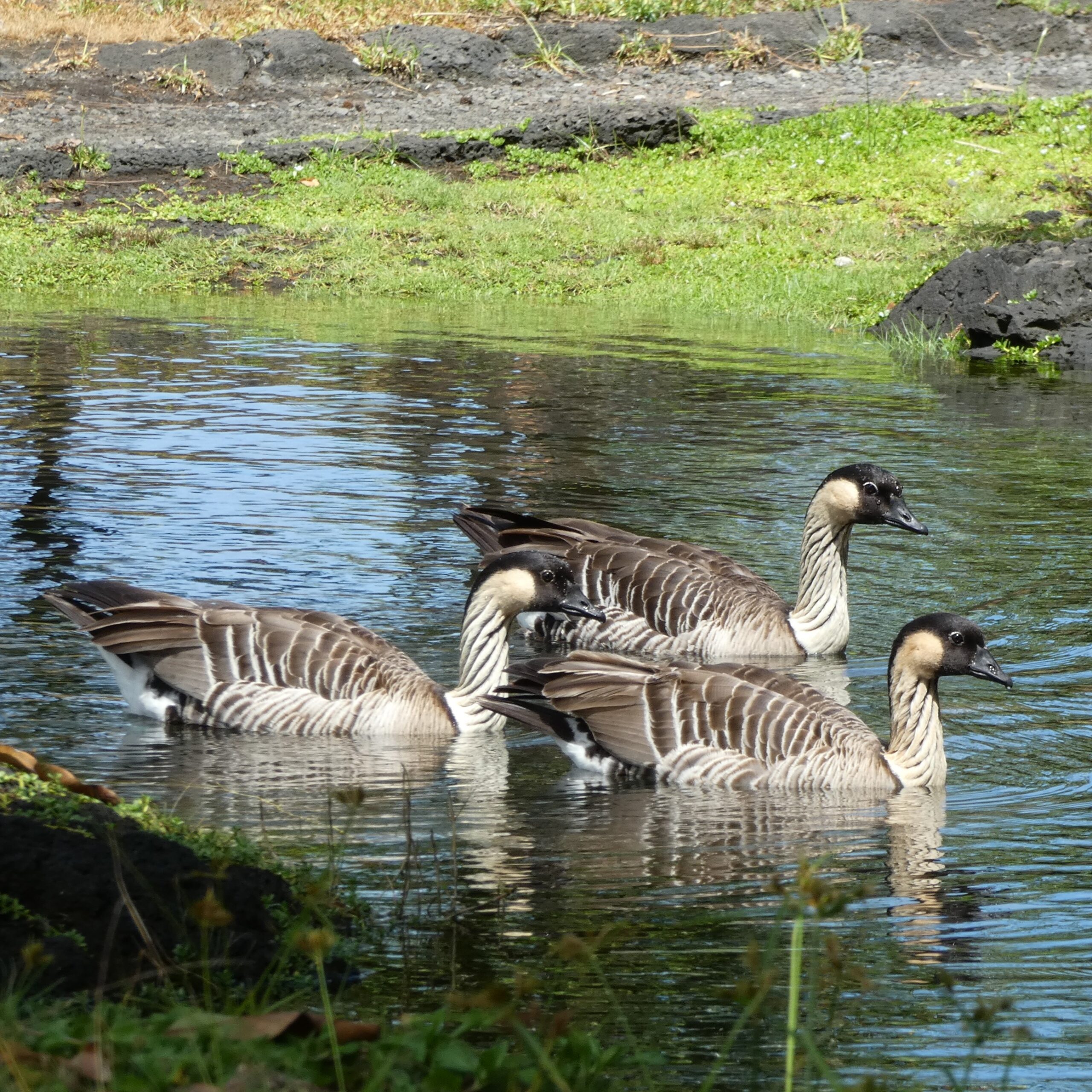
According to the wonderful AI that helped me identify the animals in my photographs: They are endemic to the Hawaiian islands, meaning they are found nowhere else in the world. They are a type of goose with a distinctive black face and head, with buff cheeks and a striped neck. They are the rarest goose…
-
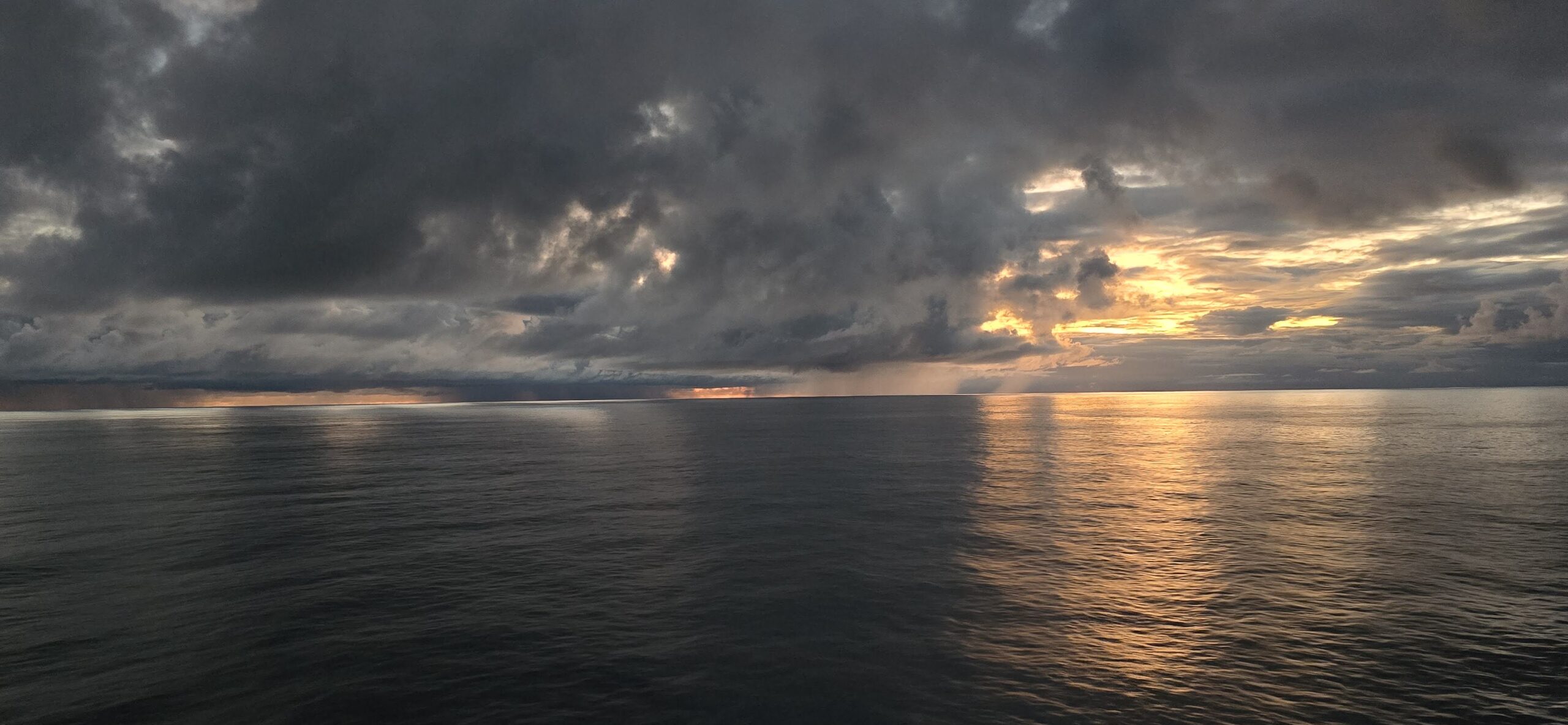
An unbelievable sunrise on the way to Huahine, French Polynesia
-
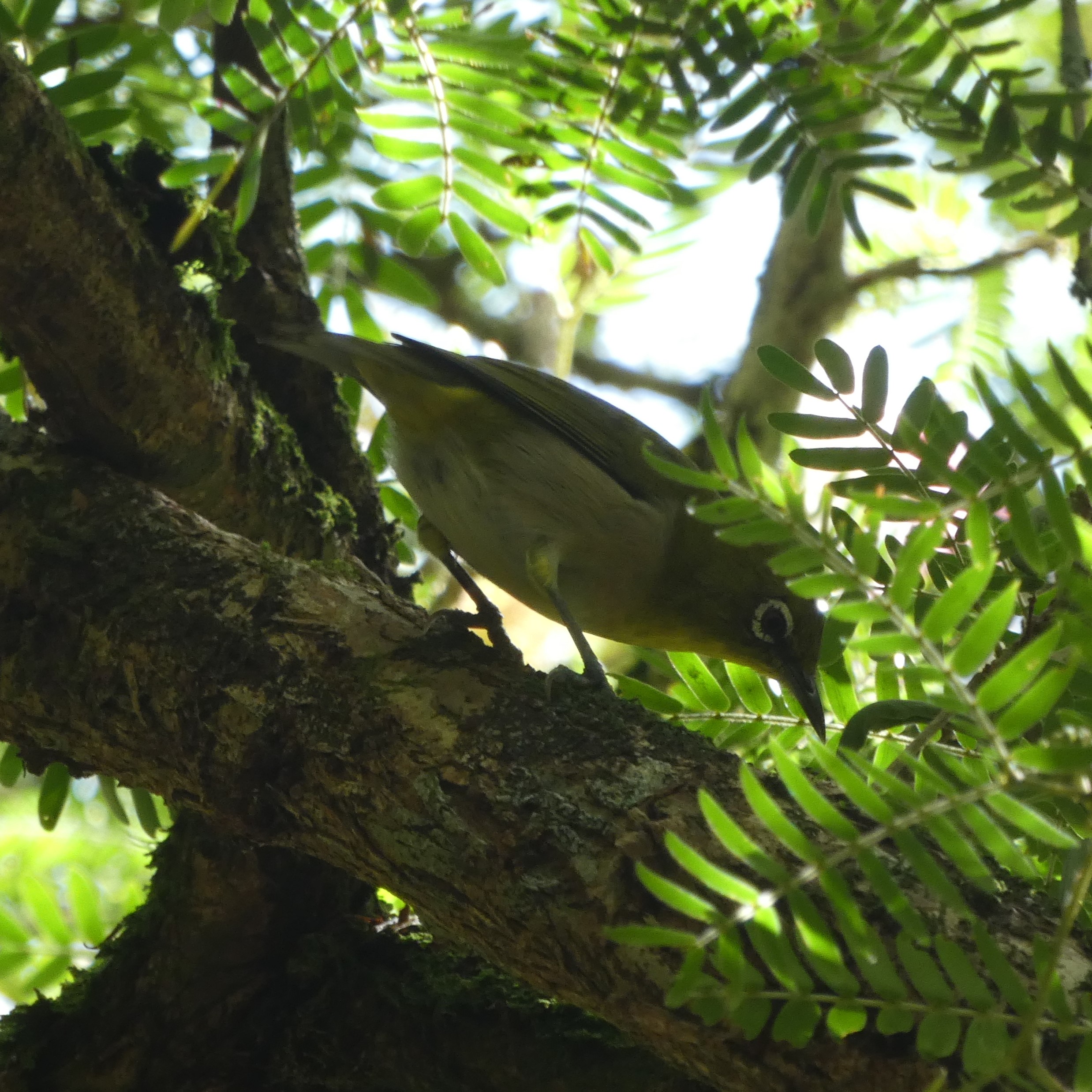
Japanese White-eye (Zosterops japonicus) in Hilo Hawaii
-
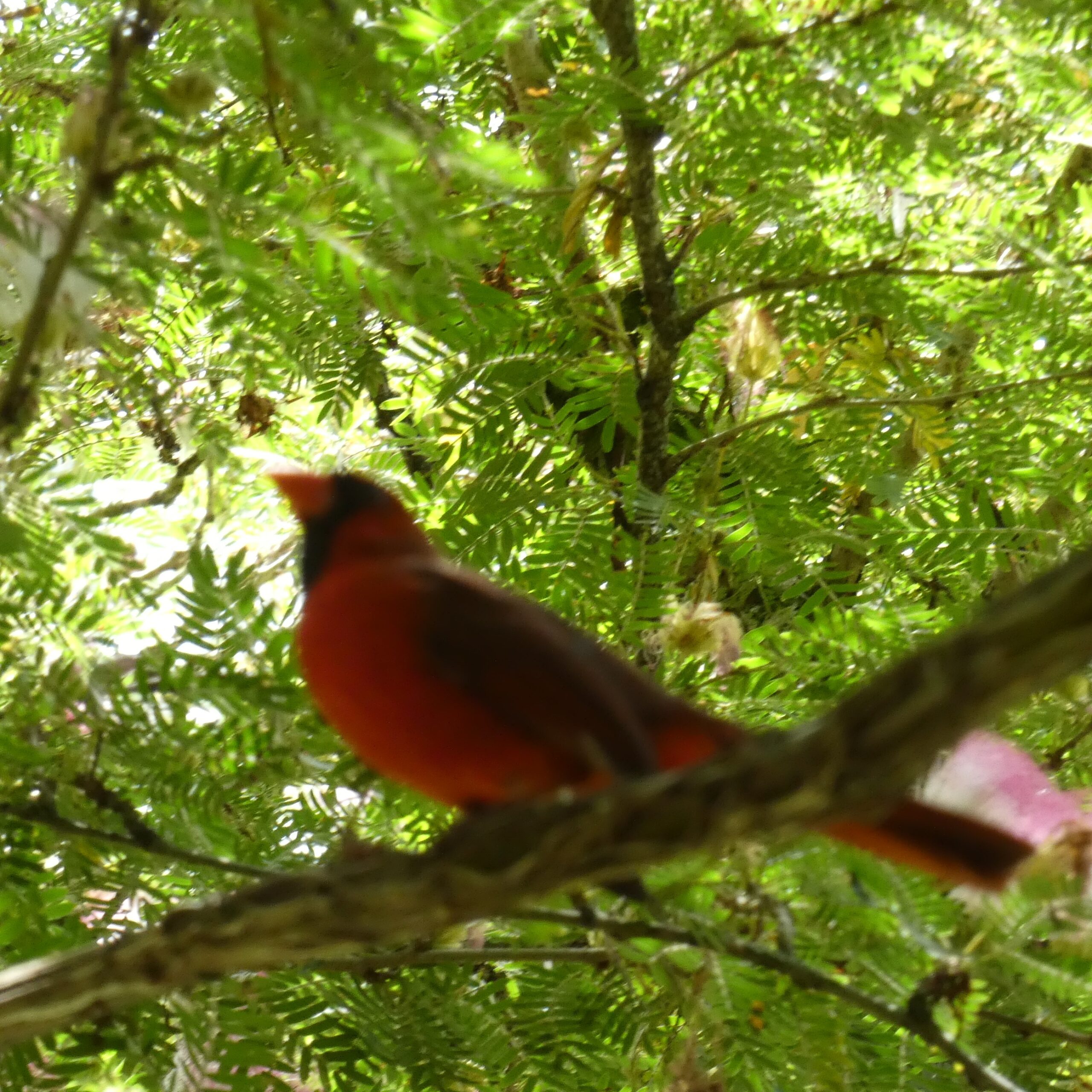
Northern Cardinal (Cardinalis cardinalis) in Hilo Hawaii
-
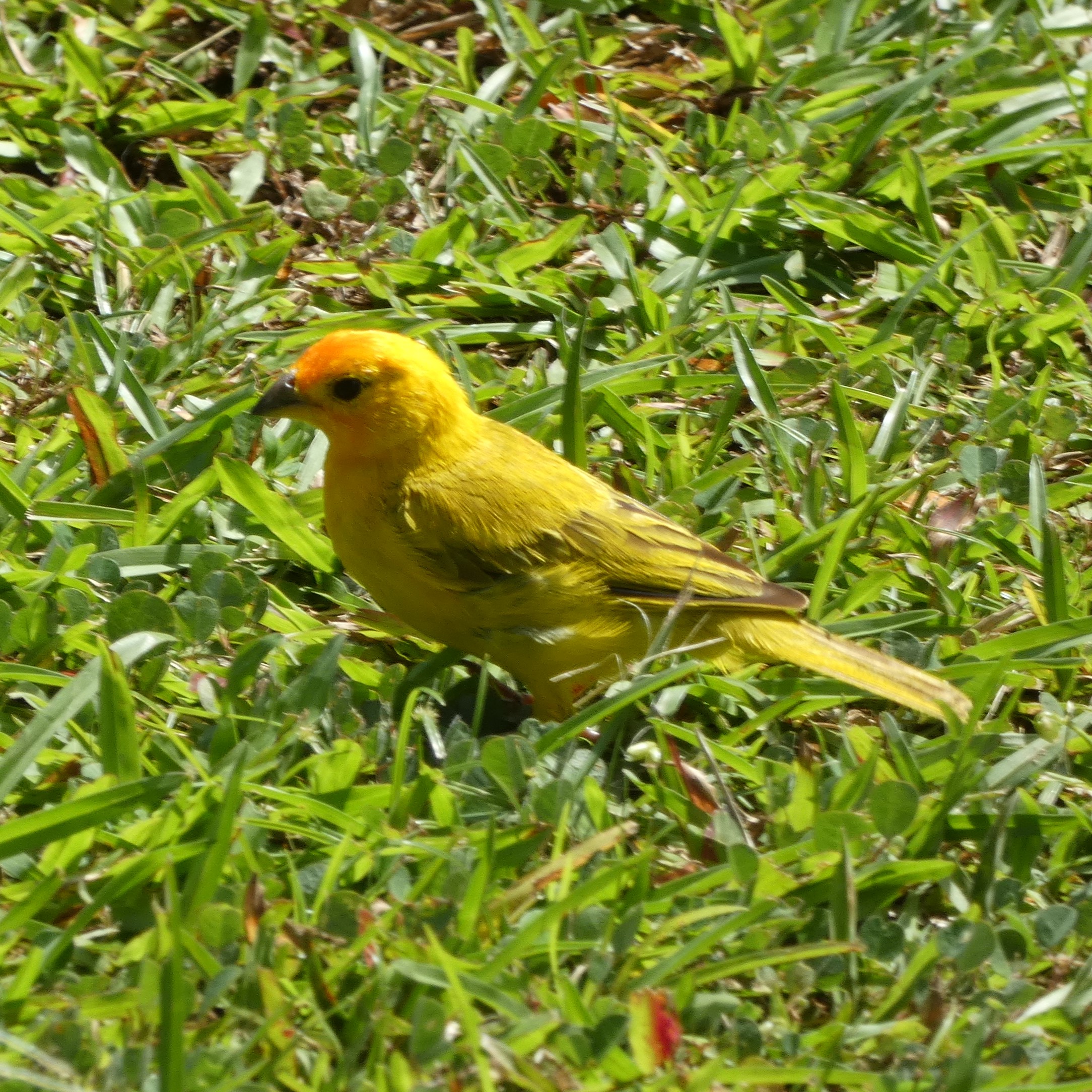
Saffron Finch (Sicalis flaveola) in Hilo Hawaii
-
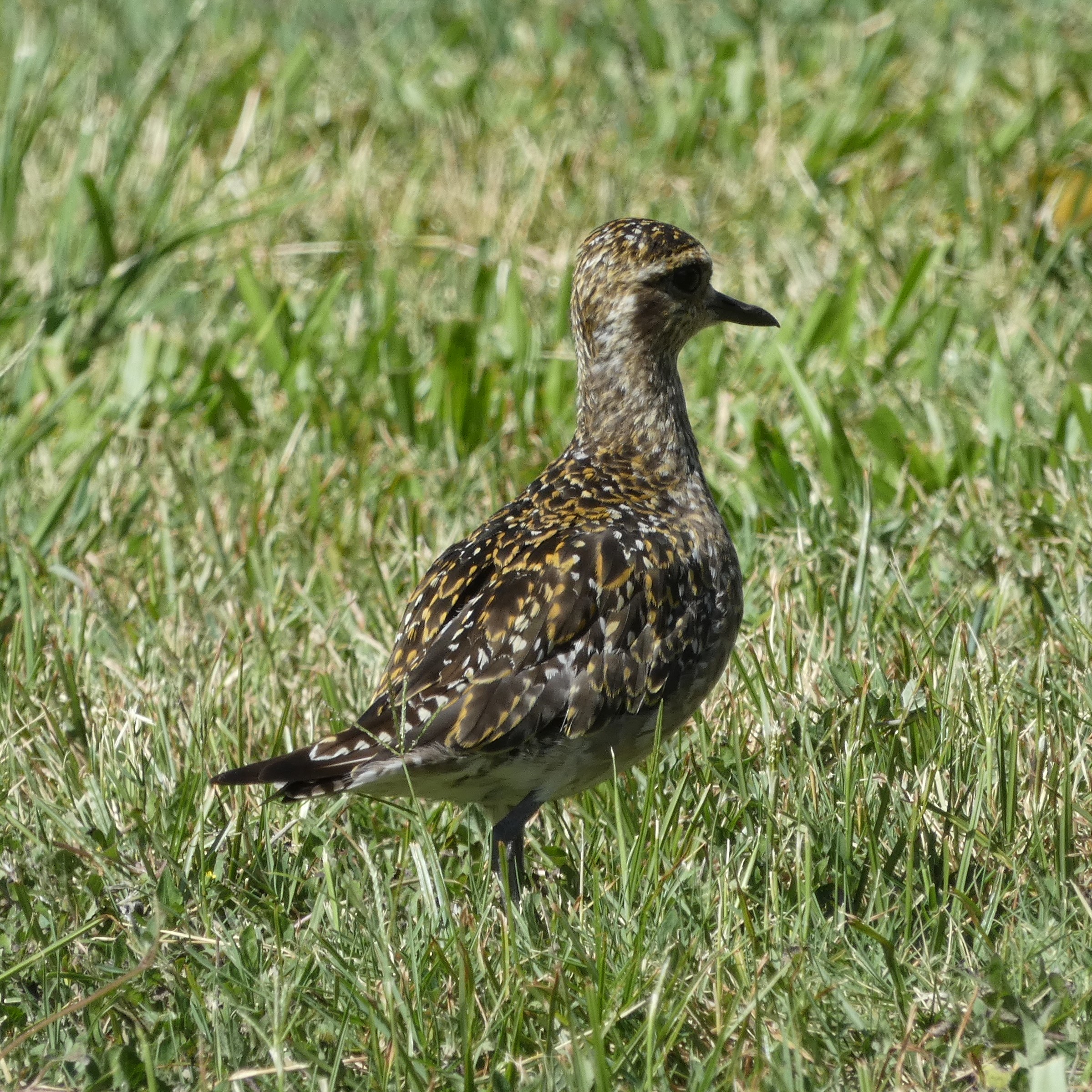
A Pacific Golden Plover (Pluvialis fulva) in Honolulu, Hawaii
-
Red-crested Cardinal (Paroaria coronata) – Honolulu, Hawaii
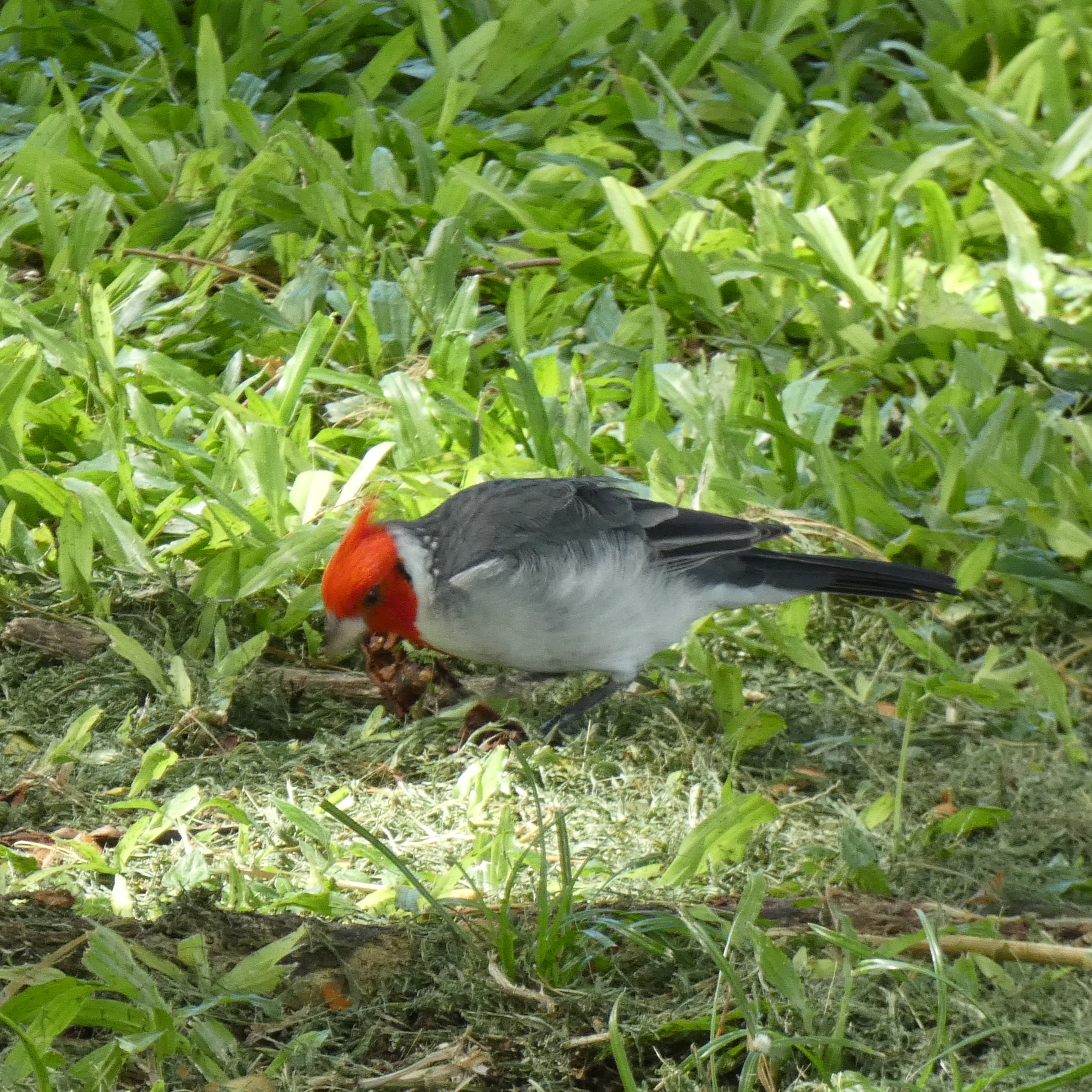
It’s easily identified by its striking red head, crest, and upper breast, contrasting with its gray body. They are native to South America but have been introduced to other areas like Hawaii and Puerto Rico. Interestingly, at the same time I got a fun shot of a pair of cardinals. Per AI: It’s interesting to…
-
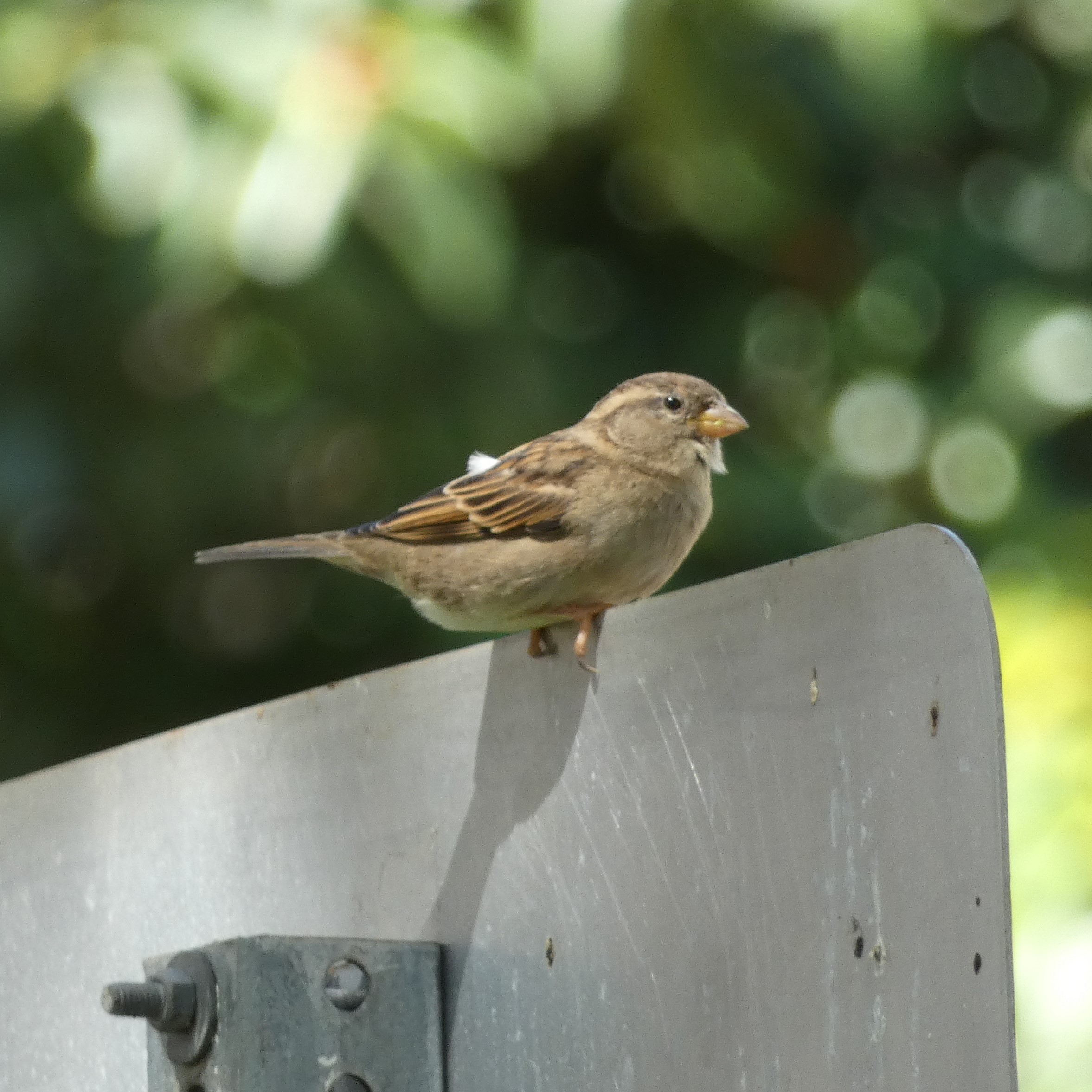
House Sparrow (Passer domesticus) in Honolulu, Hawaii
-
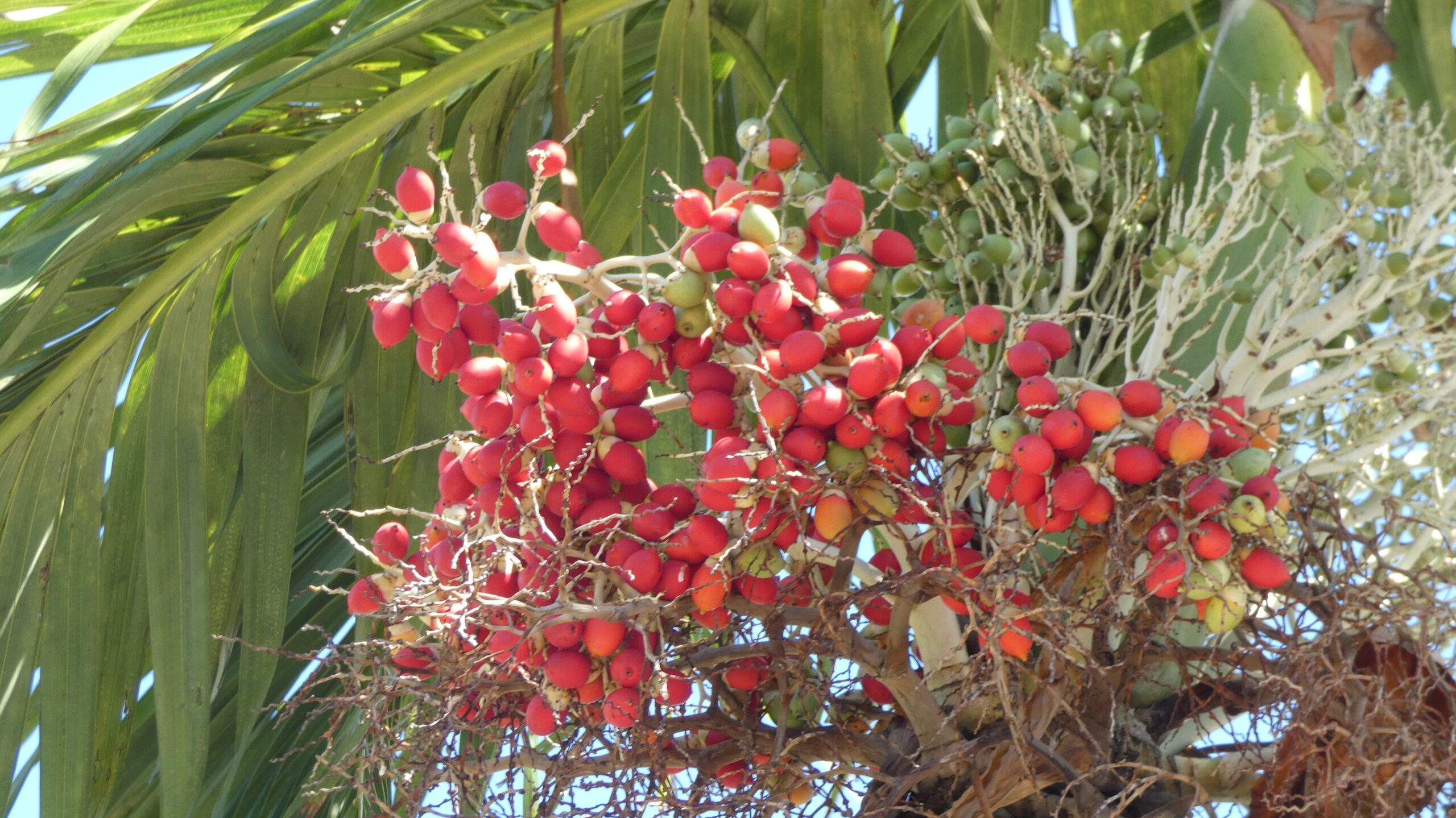
Christmas Palm (Adonidia merrillii) in Honolulu, Hawaii
-
A White Pigeon in Honolulu

According to AI: While it might look like a dove to some, doves and pigeons are actually very closely related and belong to the same bird family. The terms are often used interchangeably, especially when referring to all-white birds. White pigeons are commonly used for releases at weddings and funerals, which is likely why this…
-
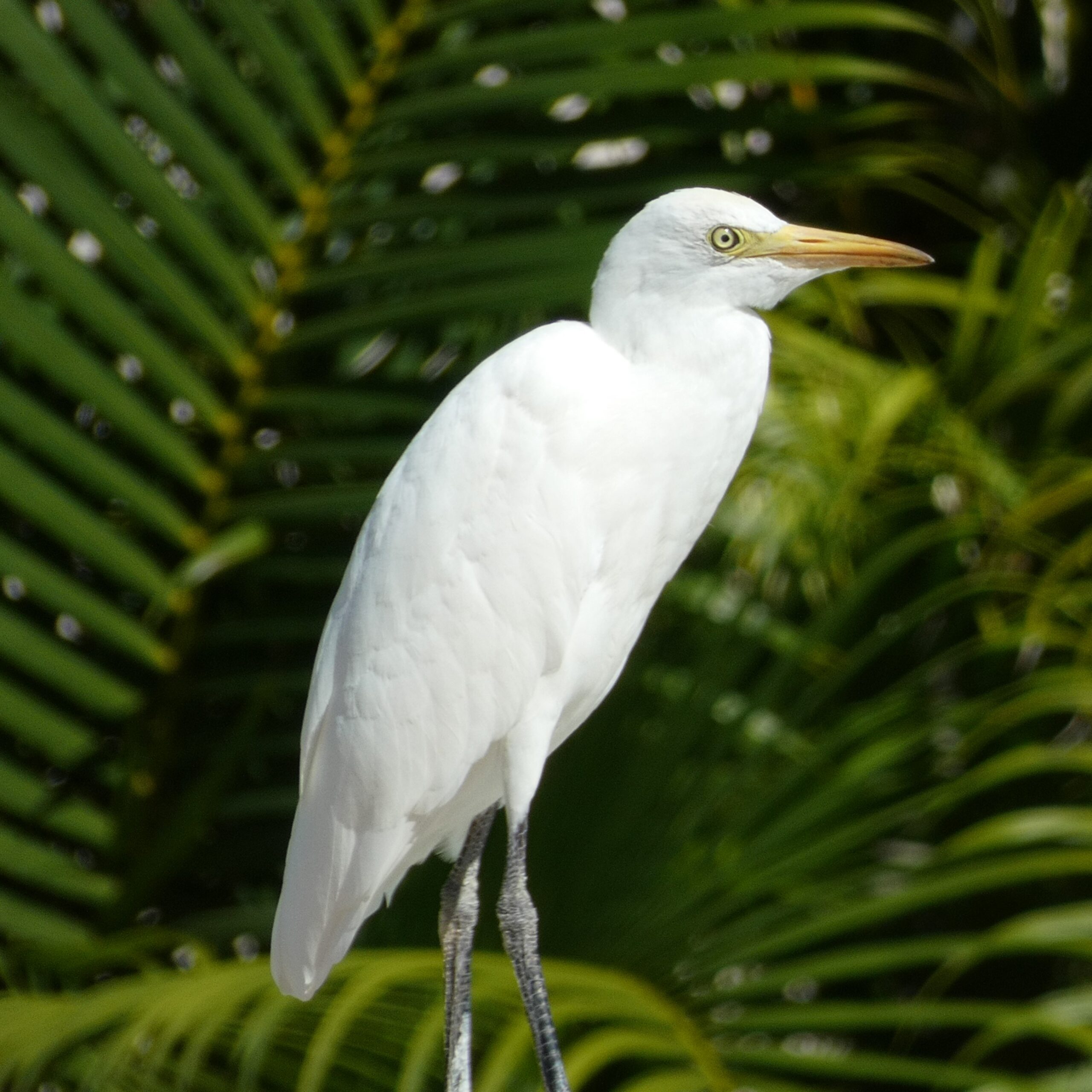
Cattle Egret – near the state Capitol in Honolulu
-
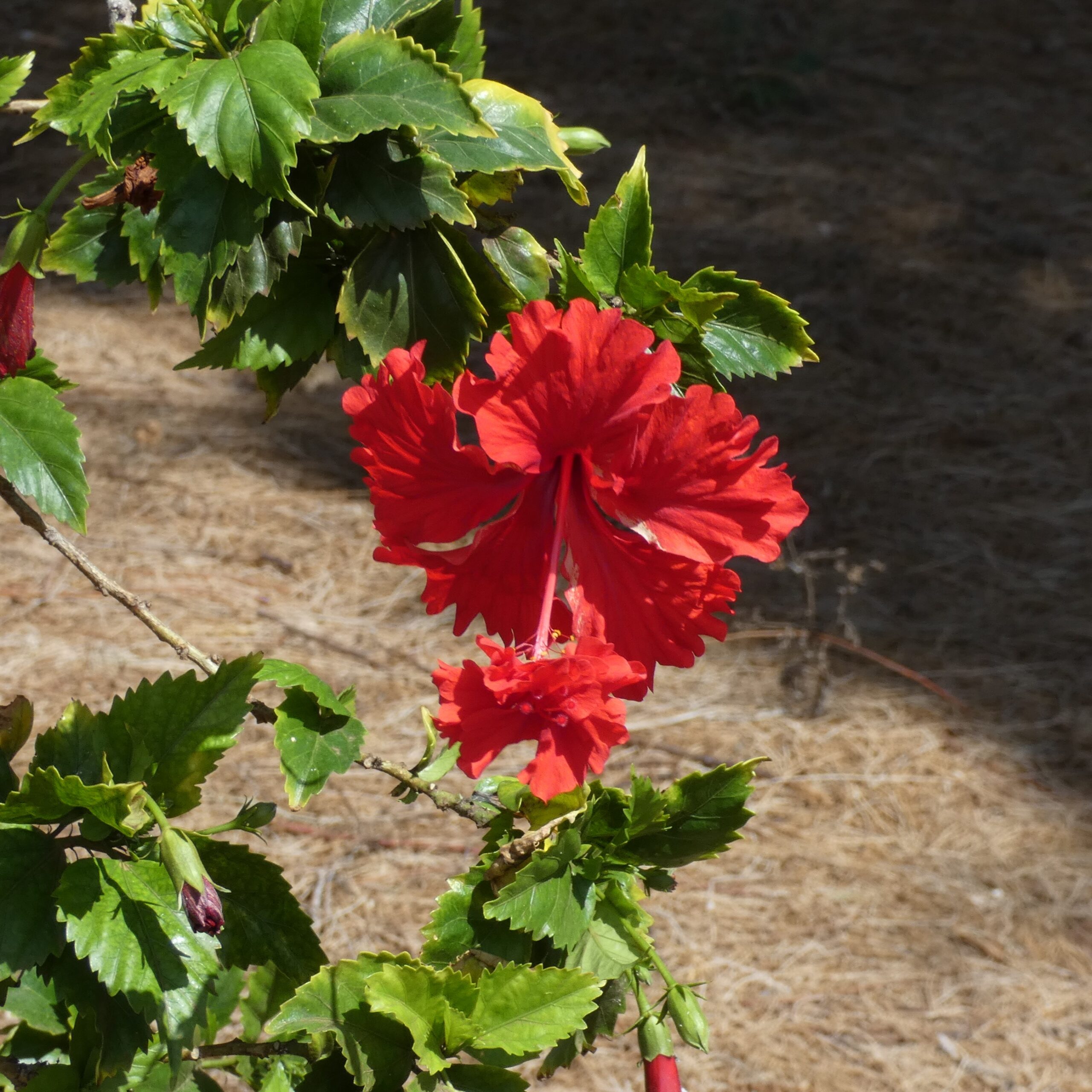
The vibrant red flower in your photograph from Nawiliwili, Hawaii is likely the wiliwili (Erythrina sandwicensis)
-
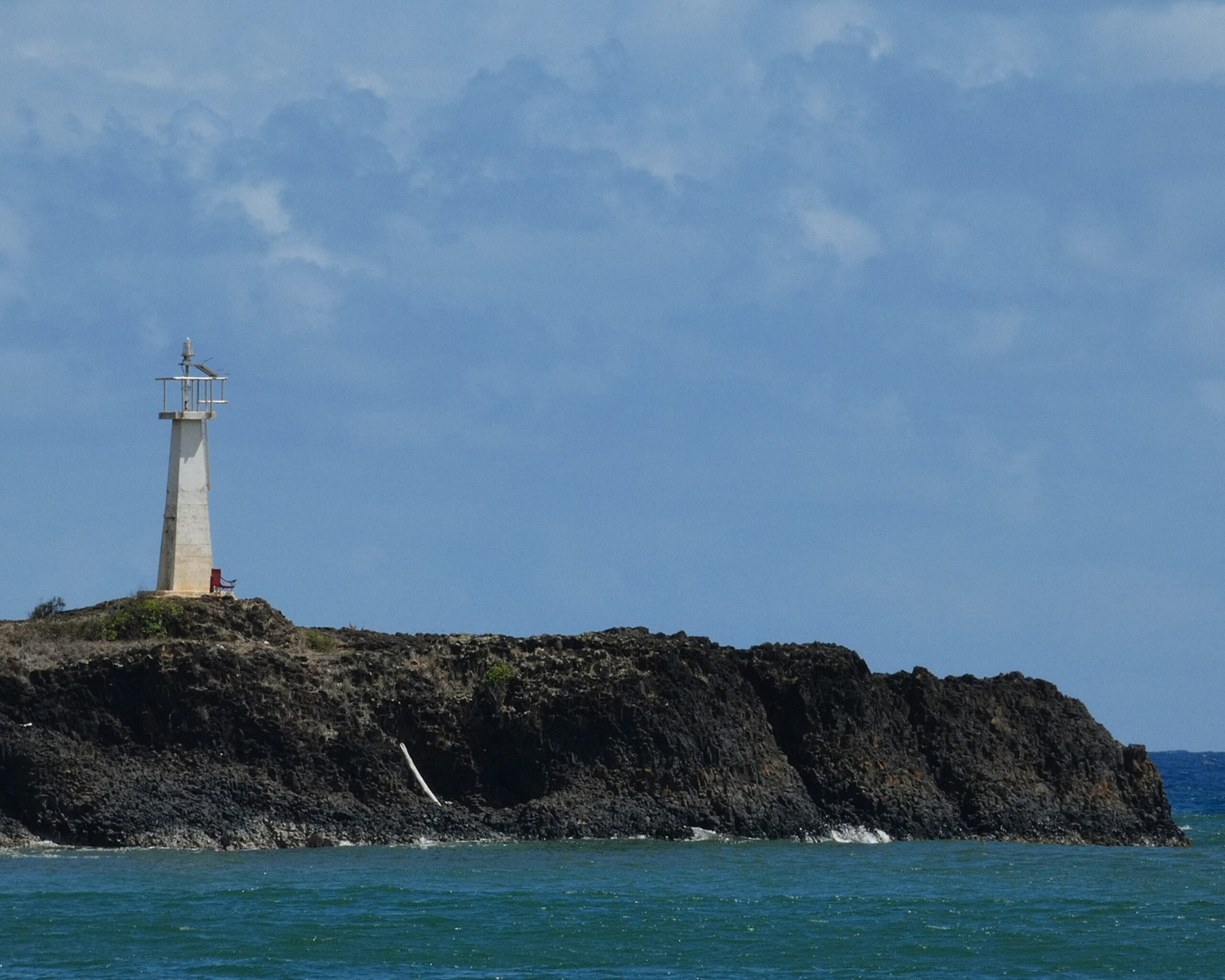
Nawiliwili Lighthouse – 2024
-
Red Hibiscus… almost found the state flower growing by the side of the street…
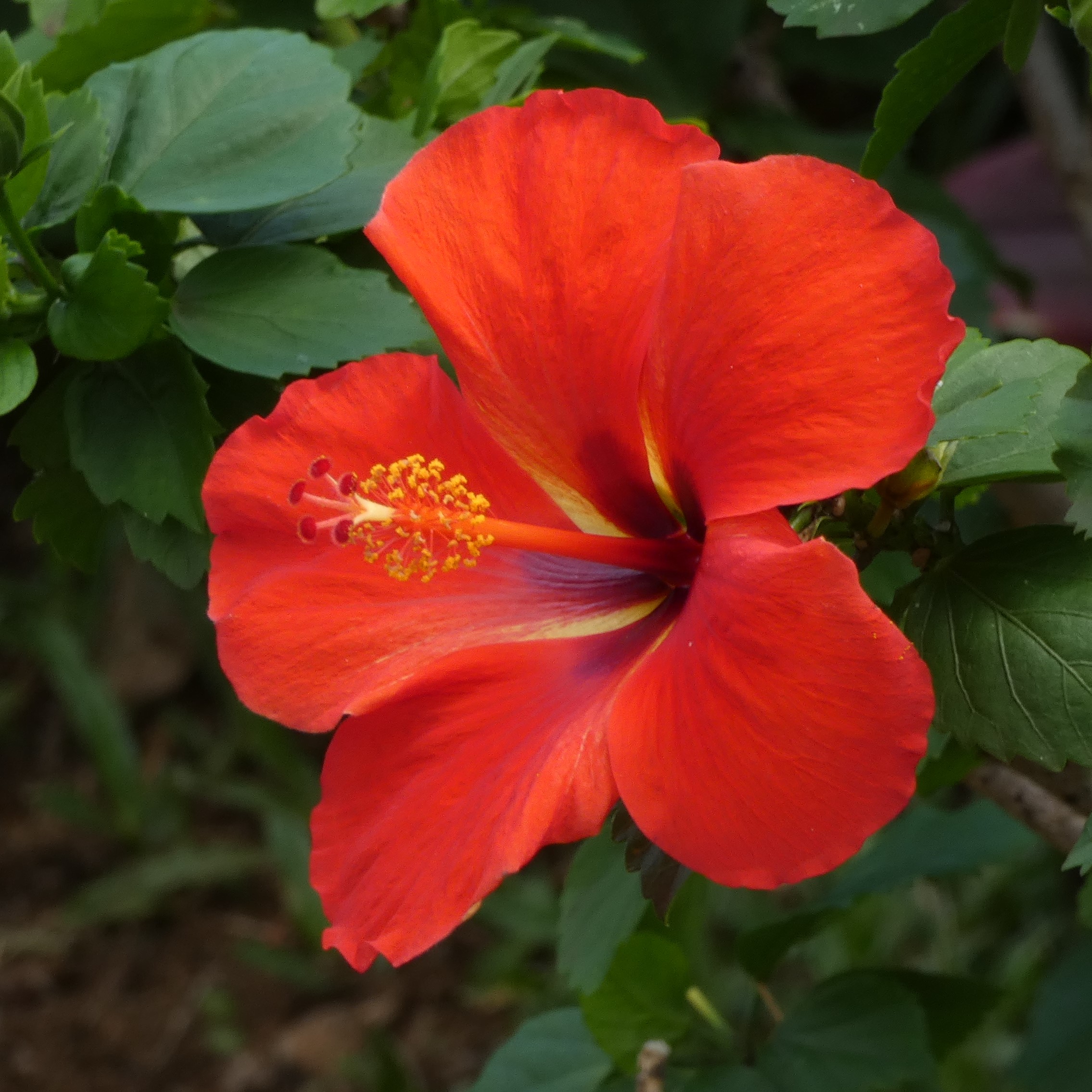
Those playing along at home will know it is the YELLOW Hibiscus that is the state flower, making the Red Hibiscus a fun find, and photogenic flower, but not exactly the state flower of Hawaii. Even knowing I didn’t EXACTLY find the state flower, I am thinking about making an image of the hibiscus my…
-
Plumeria Flowers photographed in Nawiliwili, Hawaii
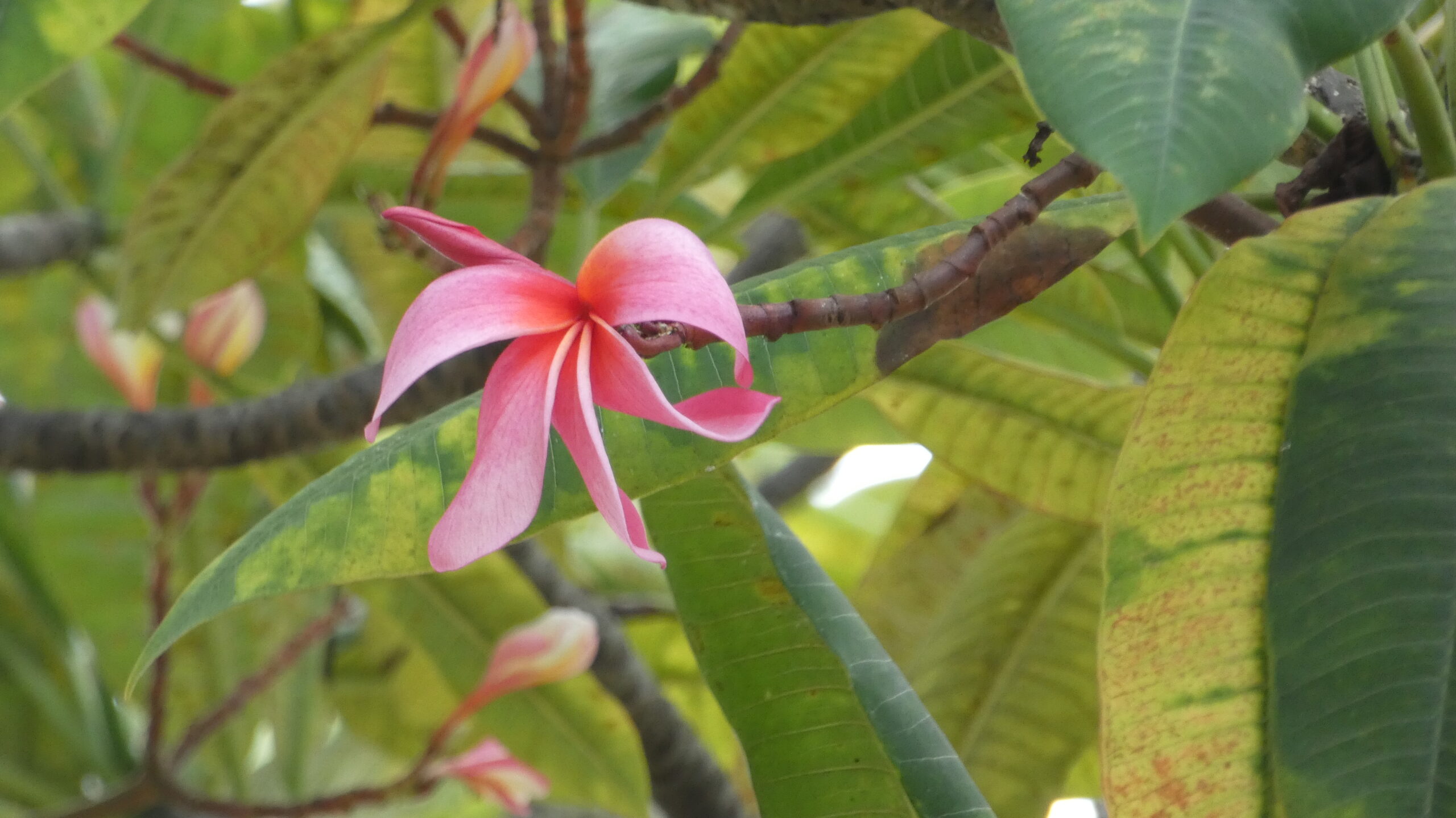
This is a Plumeria flower, also known as Frangipani. It’s a very popular flower in tropical regions, especially in Hawaii where it’s often used in leis. Here’s what makes me confident in this identification: There are many different varieties of Plumeria, each with slightly different colors and petal shapes, but the overall characteristics in…
-
Zebra Dove? If AI Identification is to be believed…
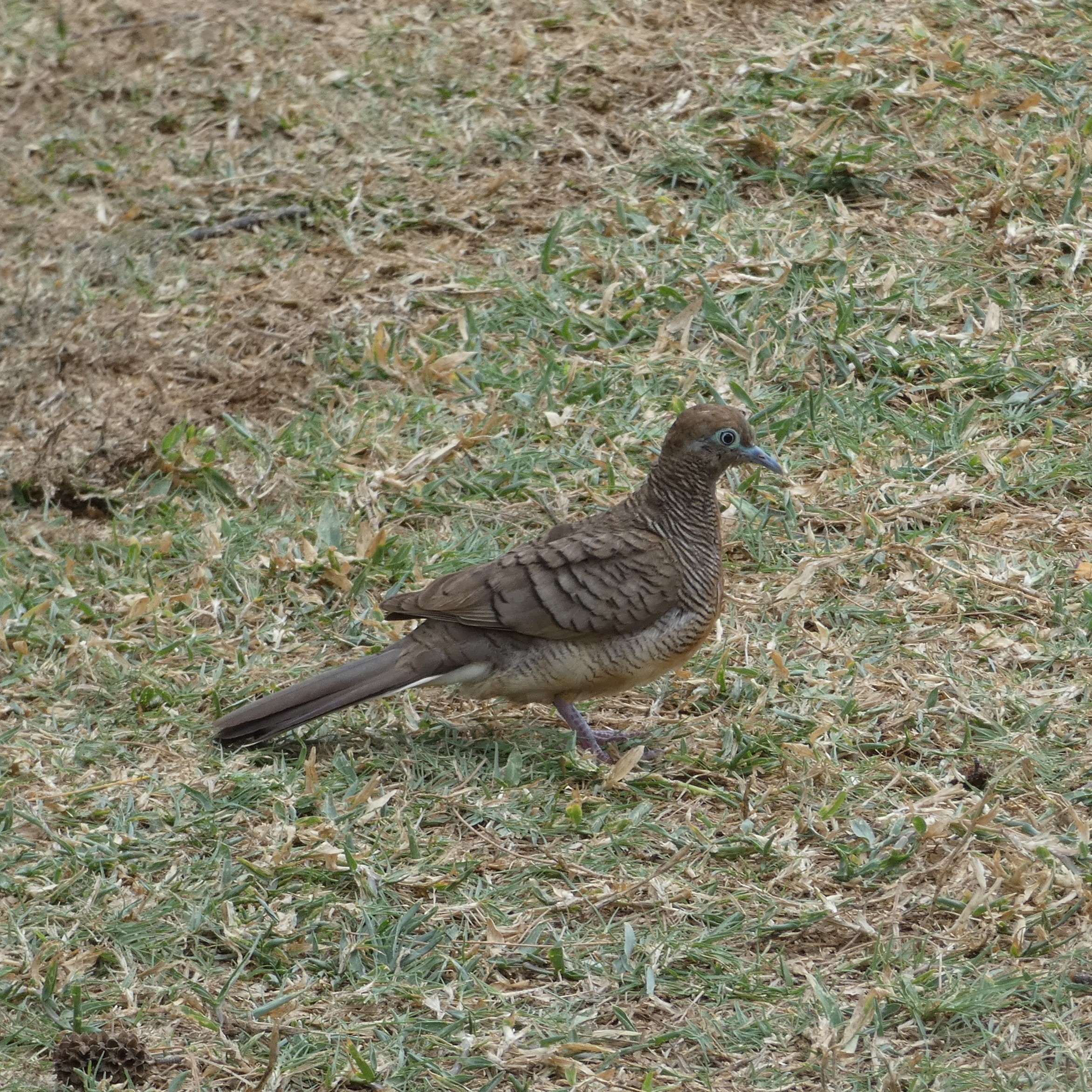
-
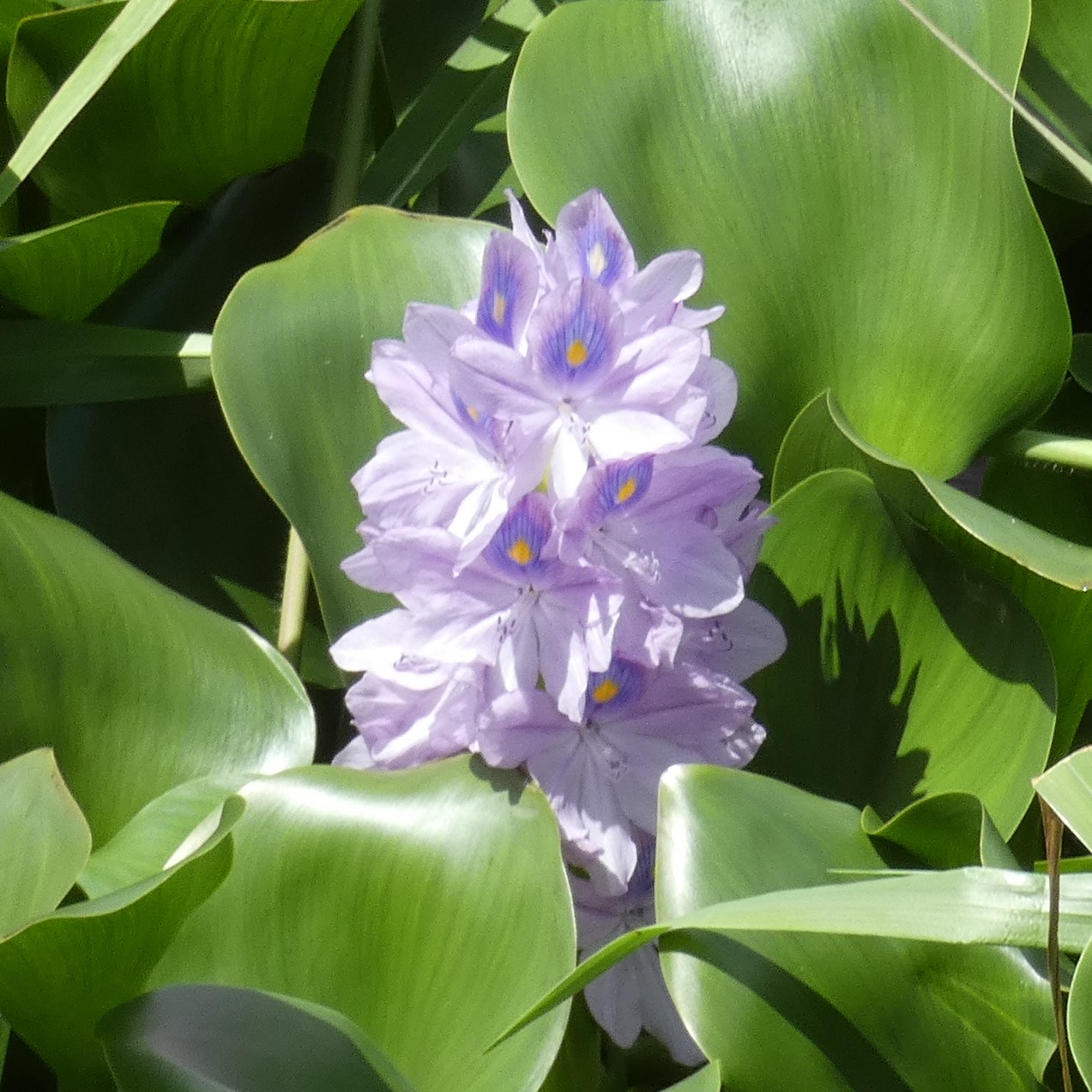
Water Hyacinth growing in shallow water in Nawiliwili, Hawaii
-
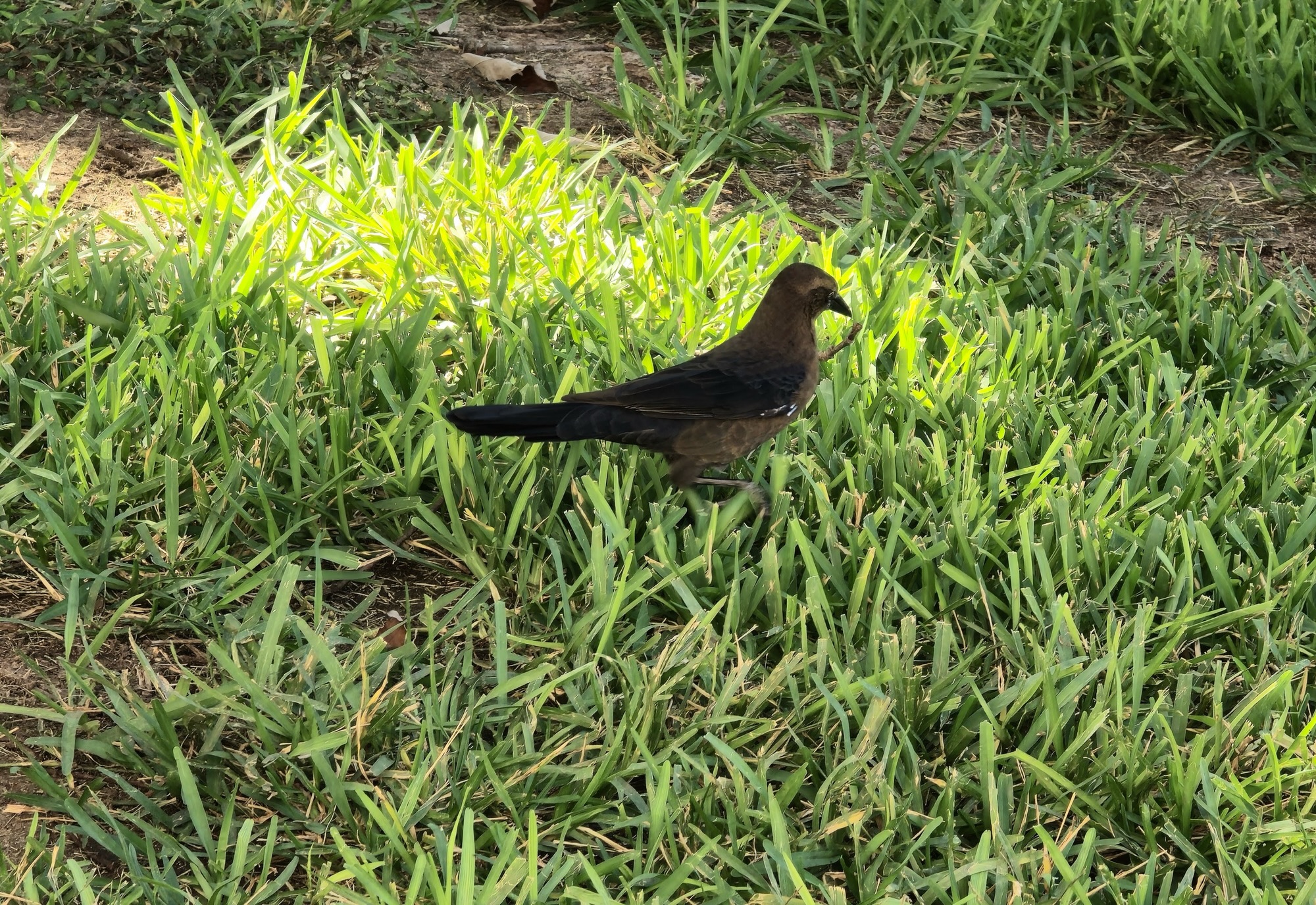
Grackle — Long-Tailed Grackle?
-
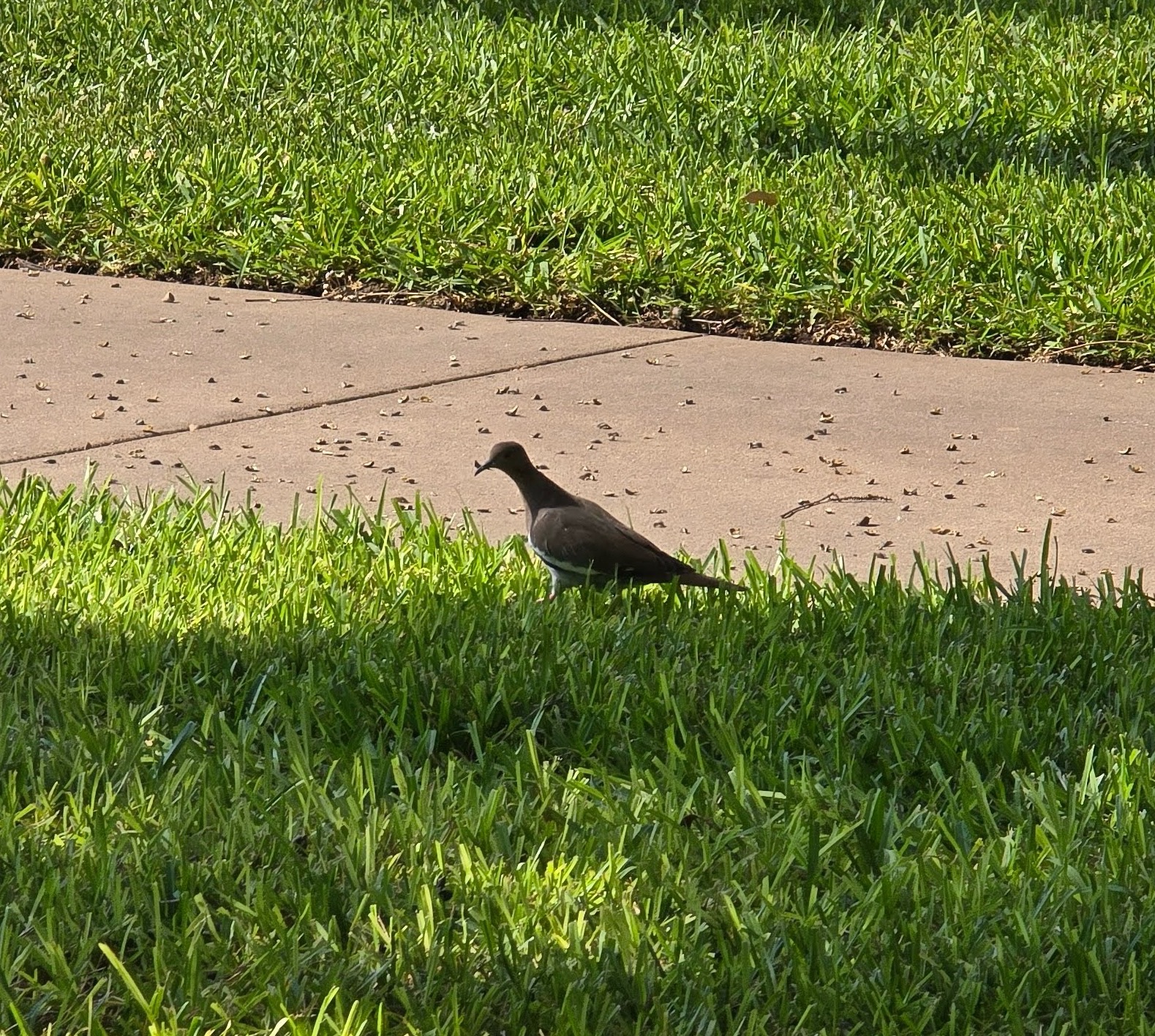
White-Winged Dove?
-
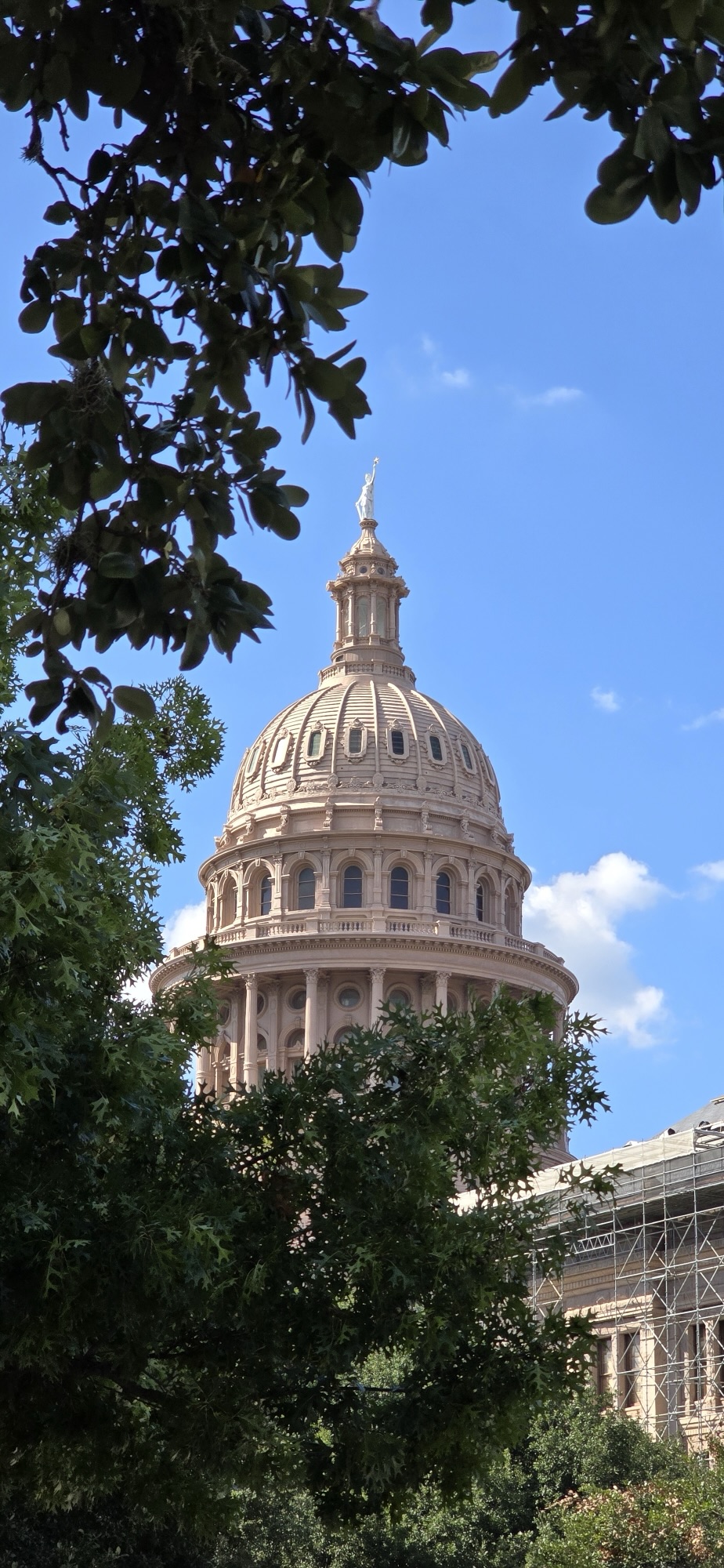
State Capitol Building in Austin, Texas
-
Dynamic Sunset photos of Planes over Boston – Logan Airport

-
Great Blue Heron
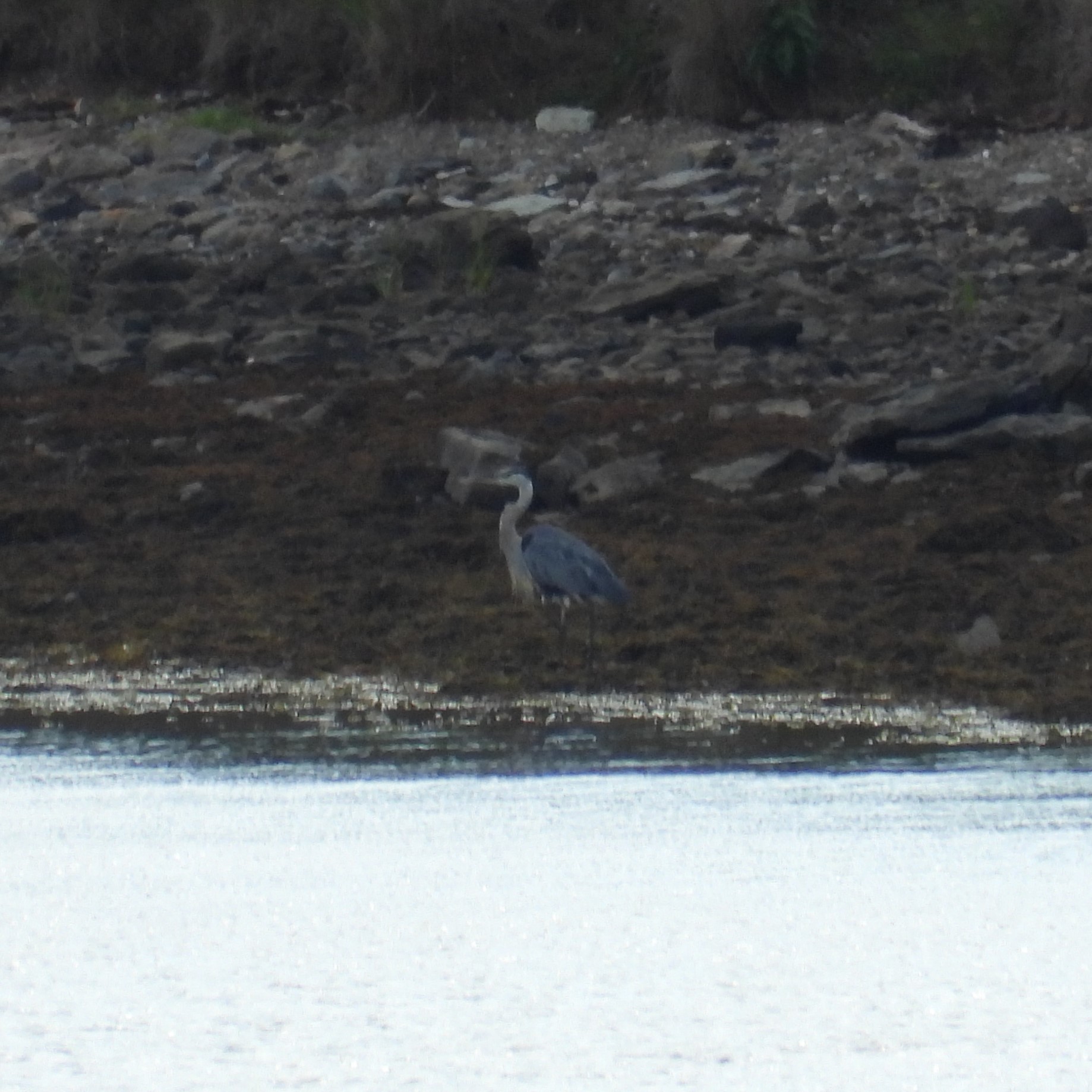
These pictures are admittedly blurry and not the best, but given I was using 125x optical zoom from a moving ship, trying to take pictures of a moving bird on a distant shoreline, who was blending in with the surrounding rocks, I think I did fairly well picking out the Great Blue Heron, and snapping…
-
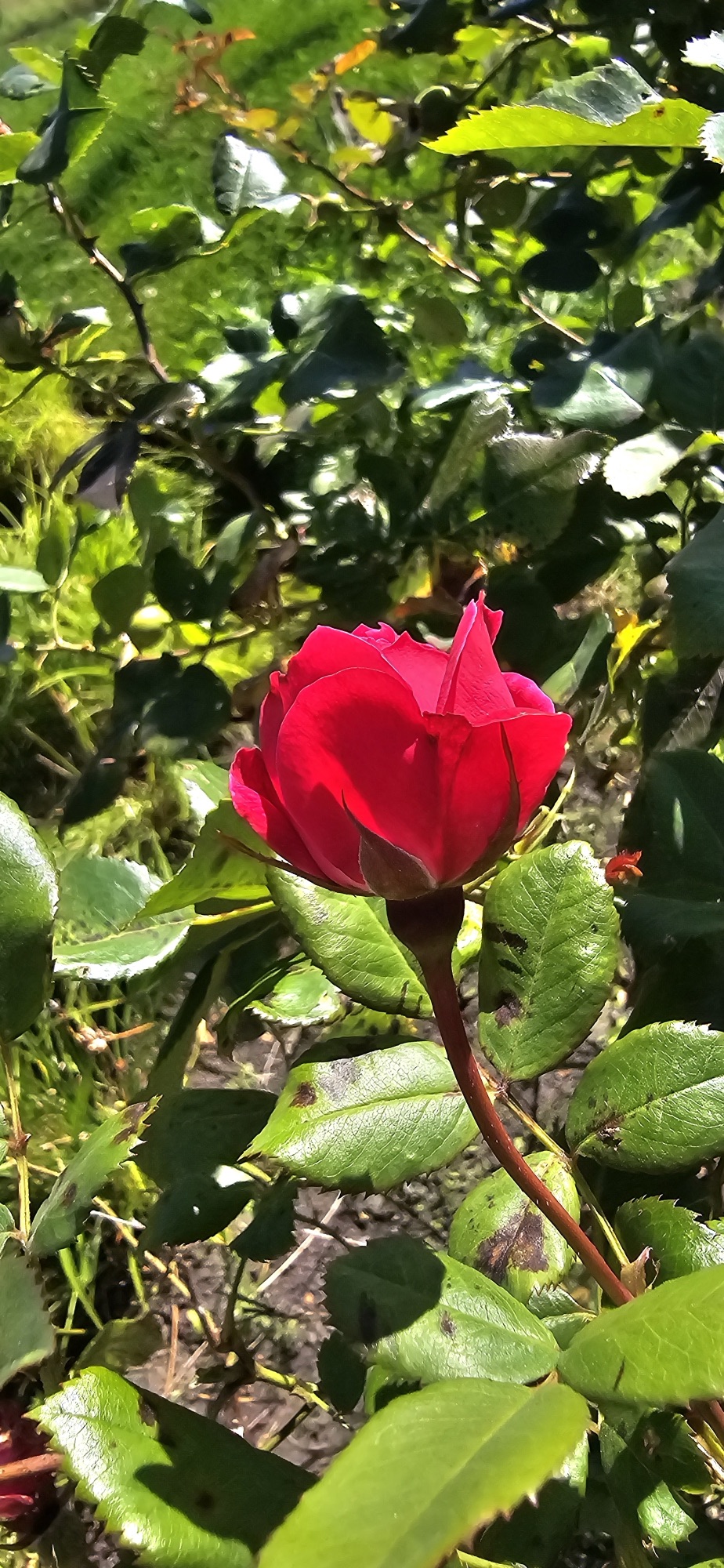
Another beautiful Rose
-
Château Frontenac.

With hopes I have correctly identified this building, with the help of technology (though to be honest I have my doubts). From the magic internet: It’s a world-renowned hotel in Quebec City, known for its iconic architecture and stunning location overlooking the St. Lawrence River. The green roof and the distinctive towers are characteristic of…
-
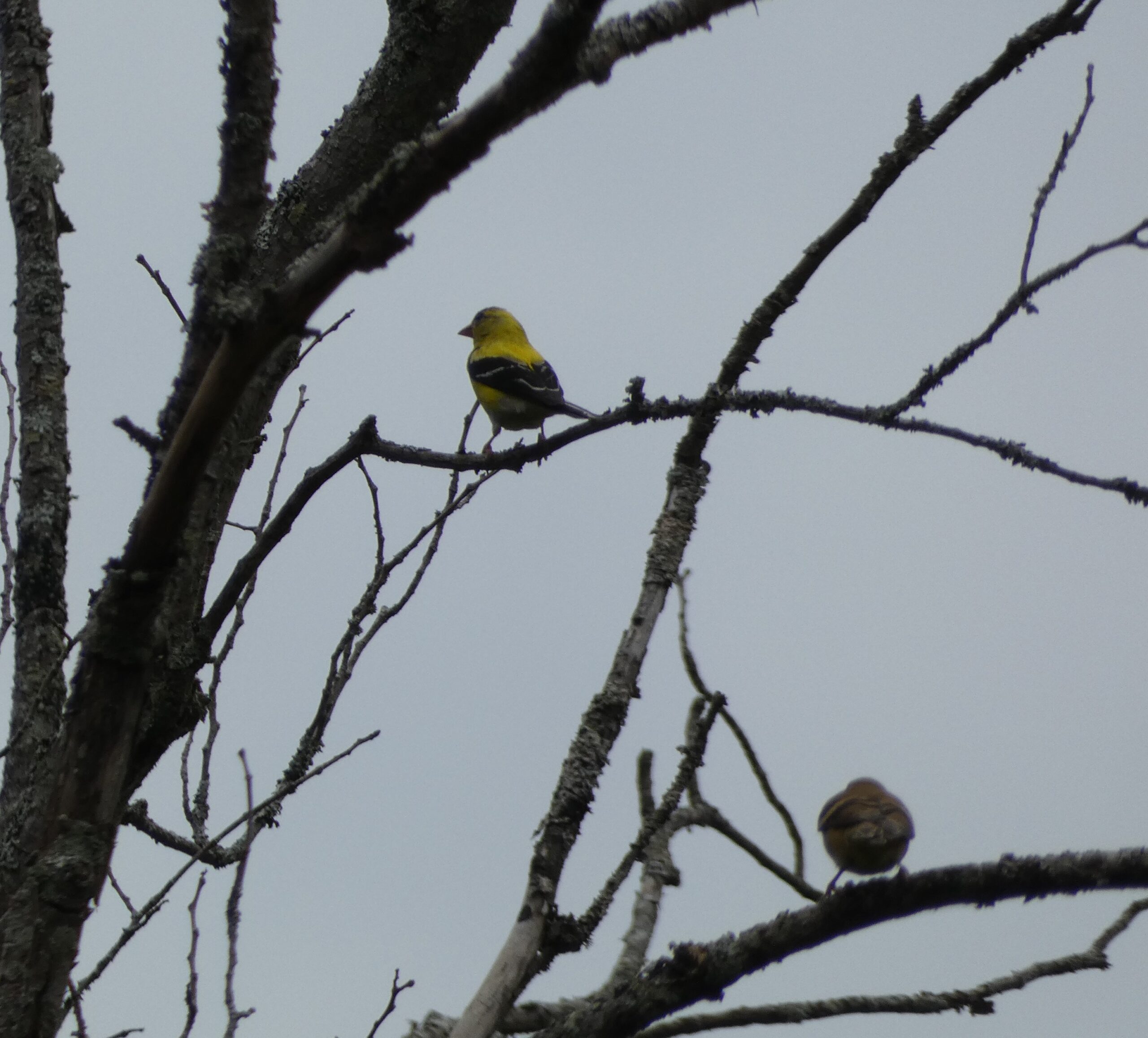
American Goldfinch
-
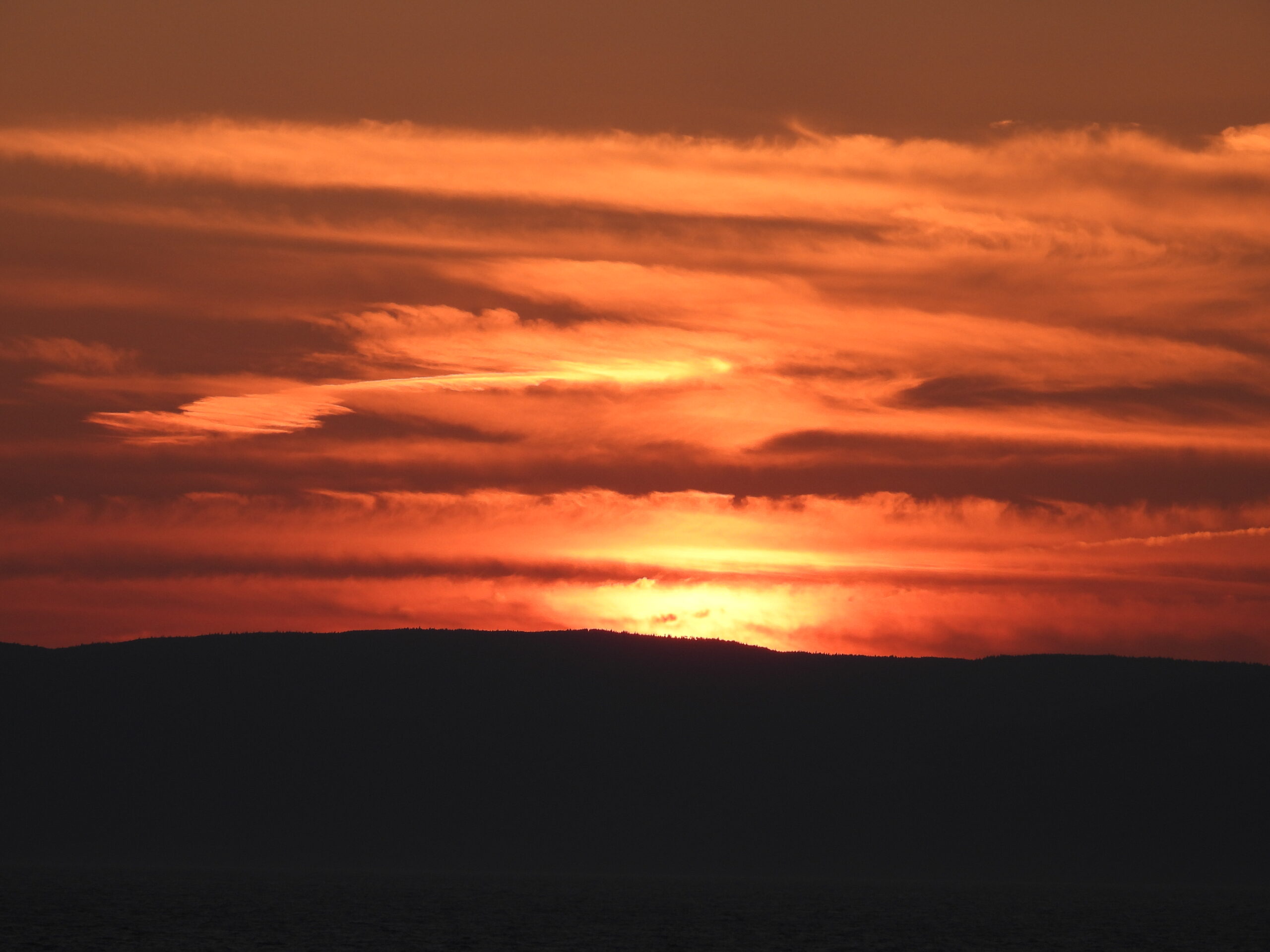
Sunset sailing out of Sydney, Nova Scotia, Canada
-
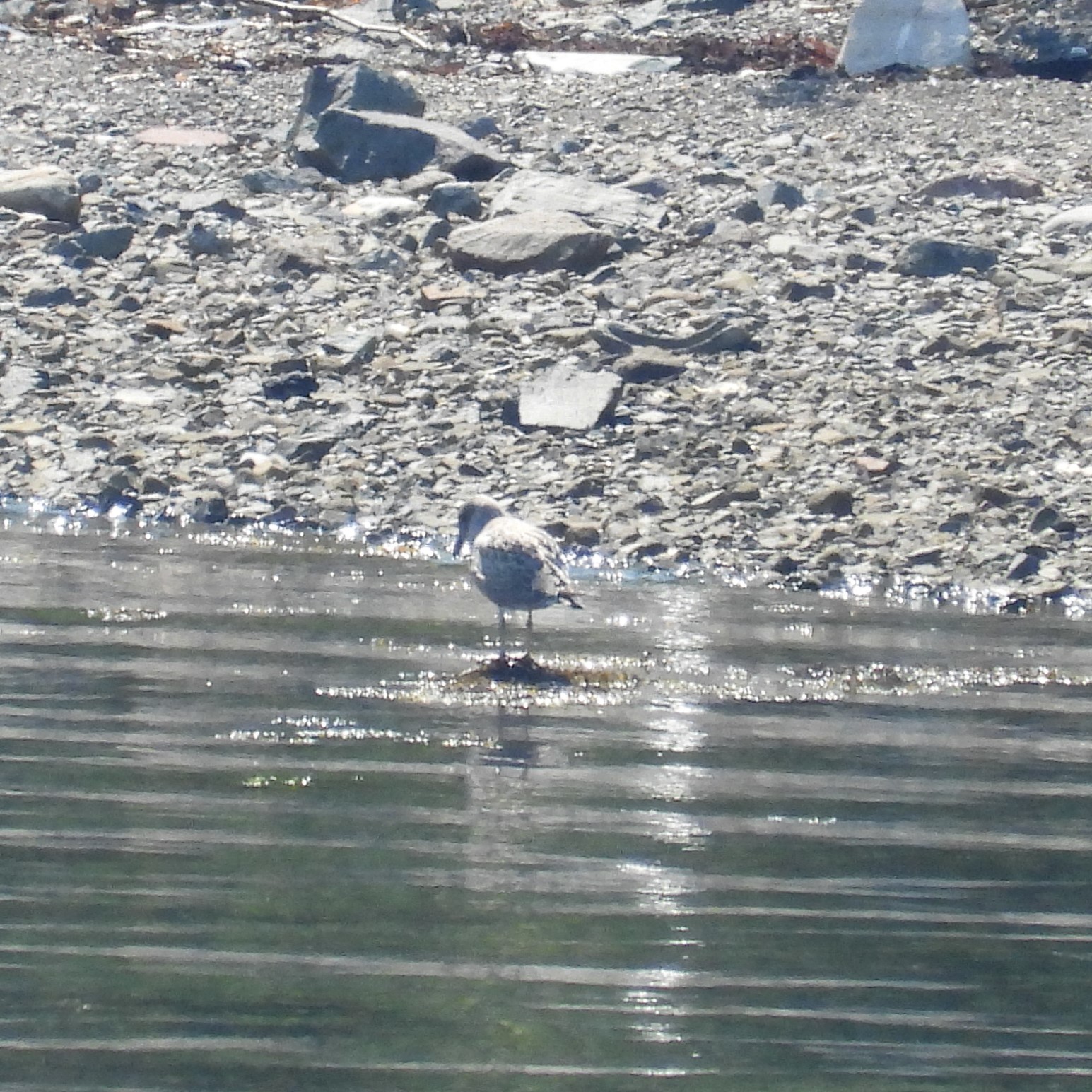
Spotted Sandpiper?
-
Mallard – what a Duck
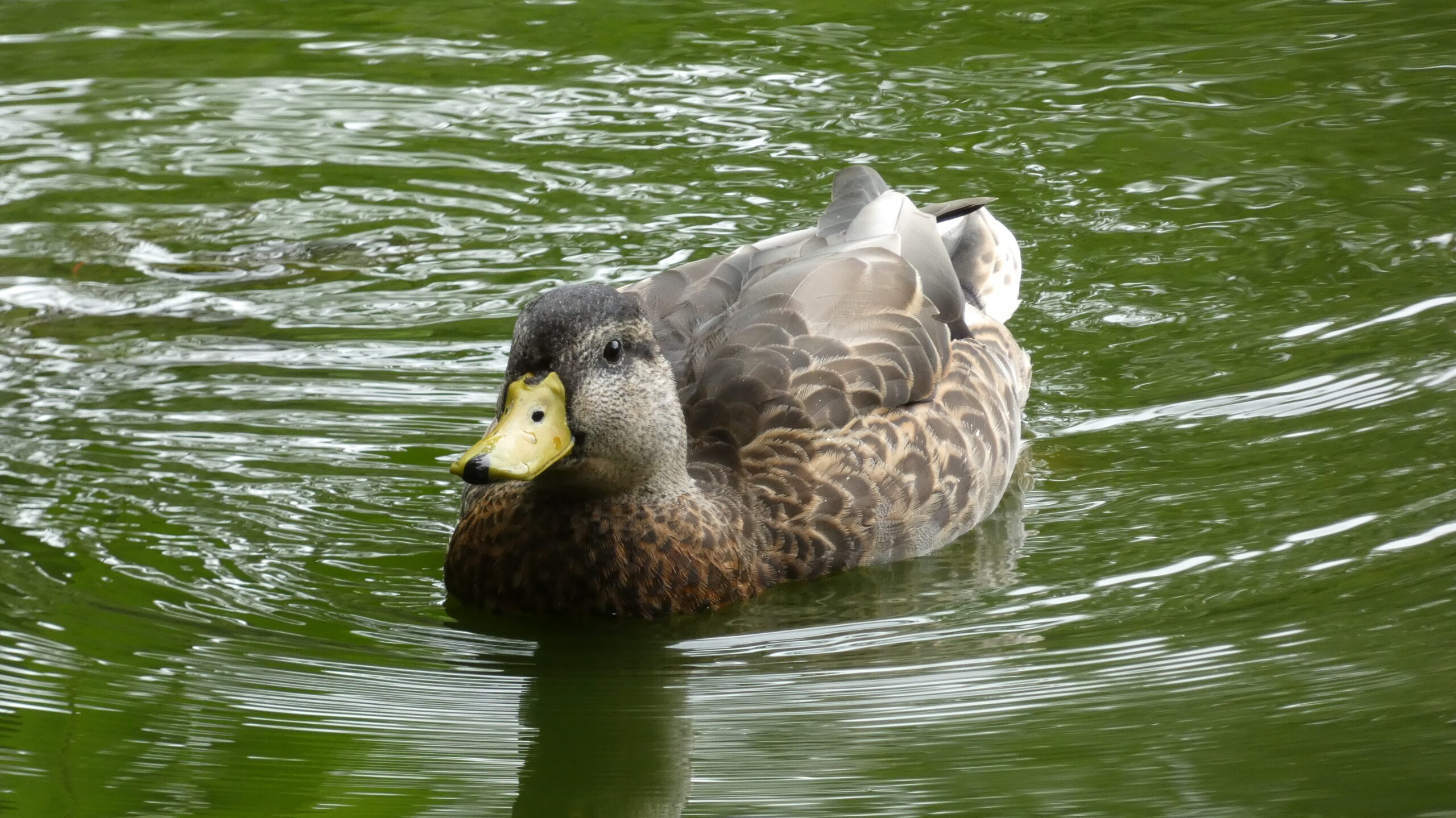
The Halifax Public Gardens not only has a lot of really pretty flowers, but some photogenic birds as well. Keep in mind, this are “wild ducks” and birds, and part of that means they migrate, move about where ever the whim takes them… and need to remain capable of caring for themselves, so when they…
-
Mealycup Sage

-
Apparently I find a lot of weeds attractive…
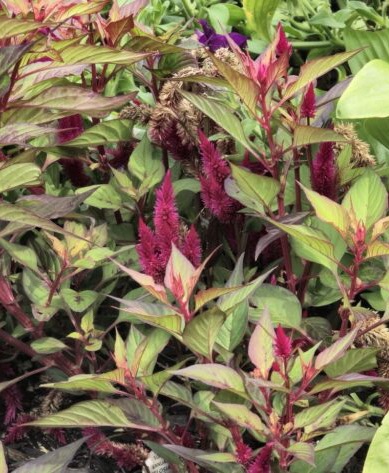
-
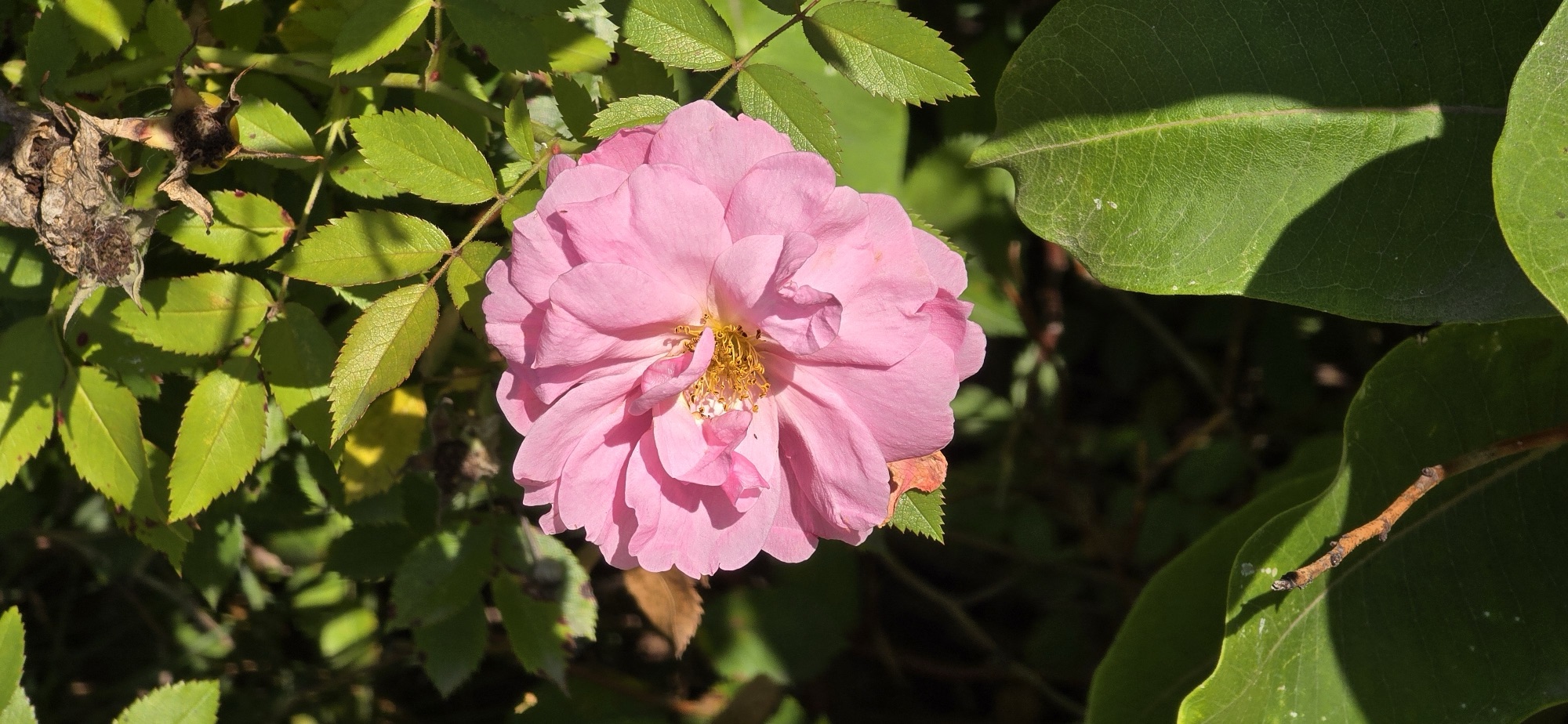
Prairie Dawn Rose?
-
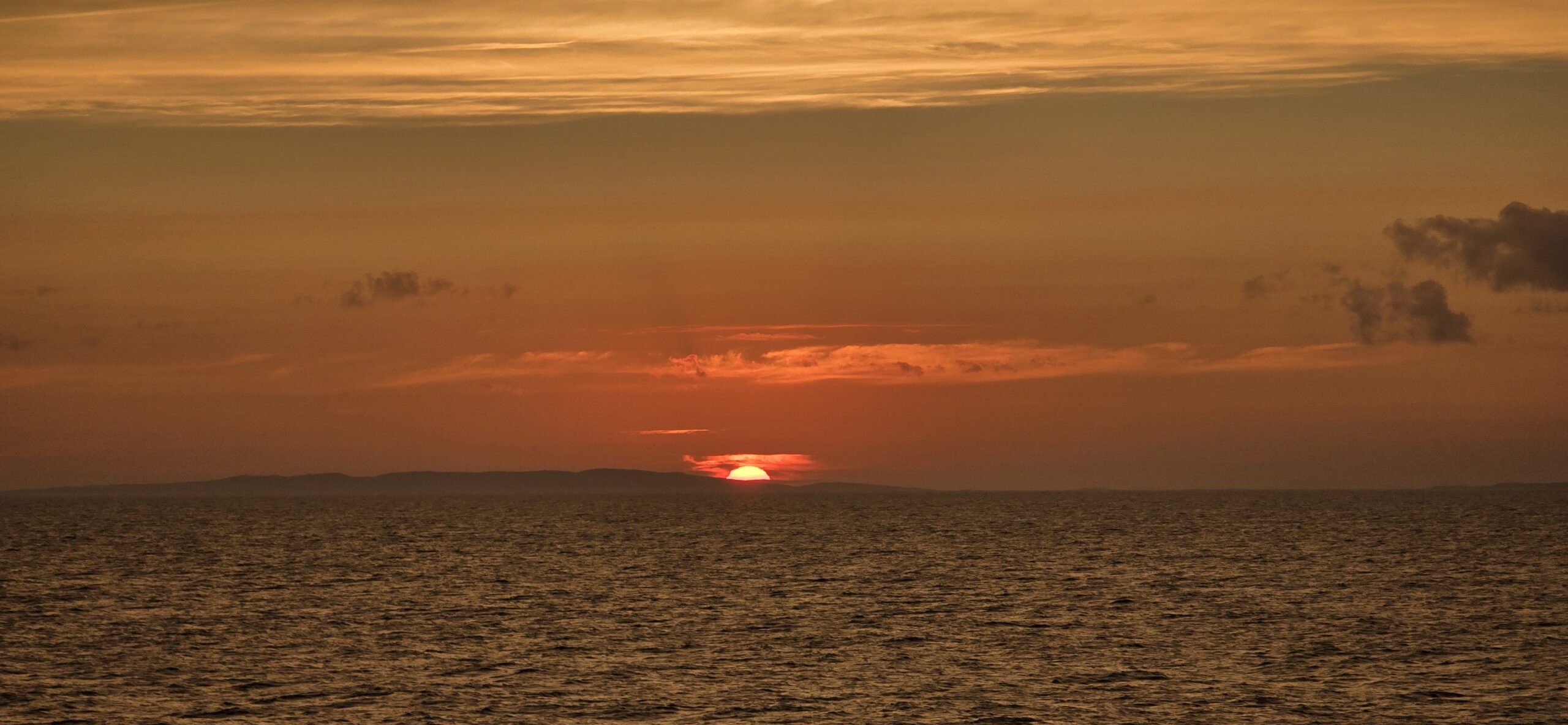
Sunset over the Gulf of Maine
-
Calendula, and a discovery, Mary’s Gold = Marigold
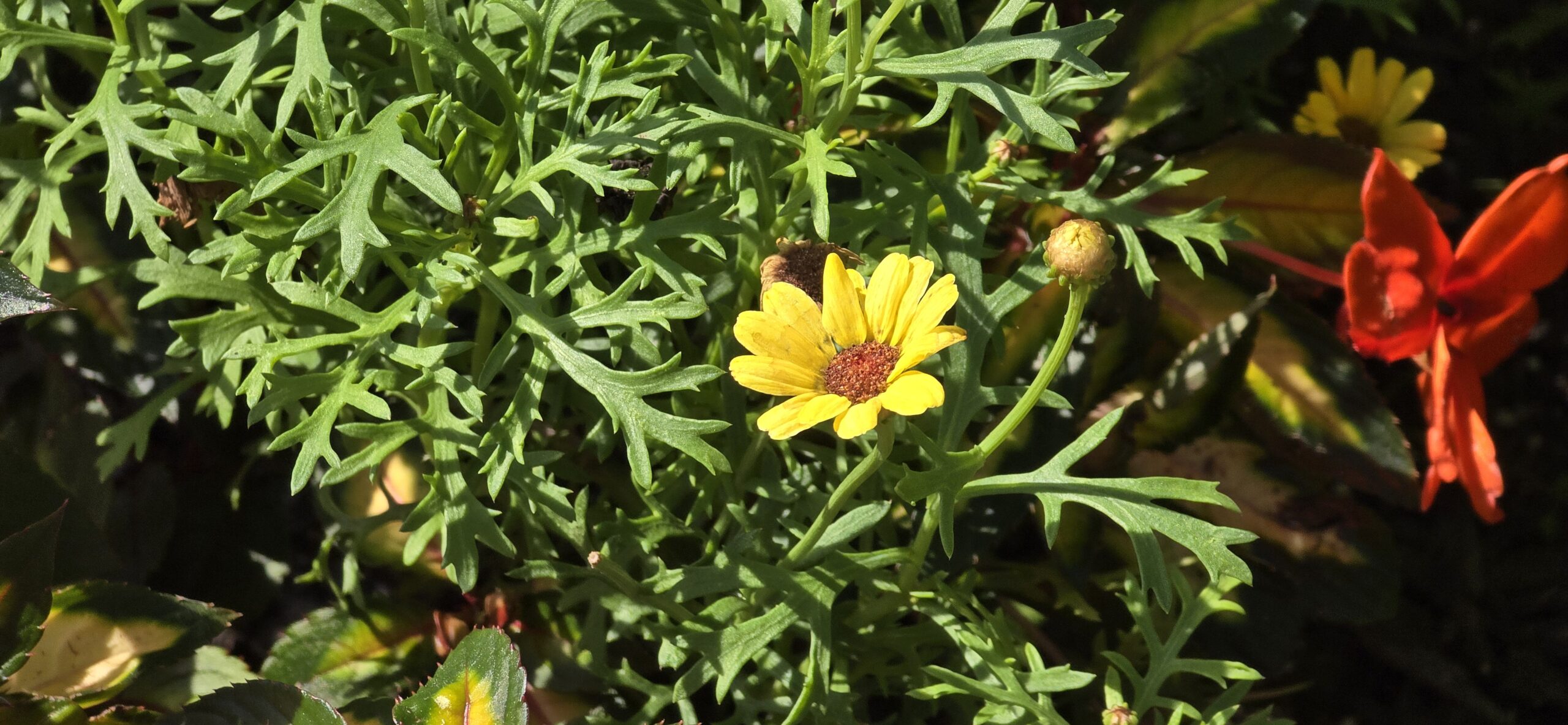
Per Wikipedia: Calendula (/kəˈlɛndjuːlə/) is a genus of about 15–20 species of annual and perennial herbaceous plants in the daisy family, Asteraceae that are often known as marigolds. They are native to southwestern Asia, western Europe, Macaronesia, and the Mediterranean. Other plants known as marigolds include corn marigold, desert marigold, marsh marigold, and plants of the genus Tagetes. The genus name Calendula is a modern Latin diminutive of calendae, meaning…
-
Day Lily — Pretty in Pink
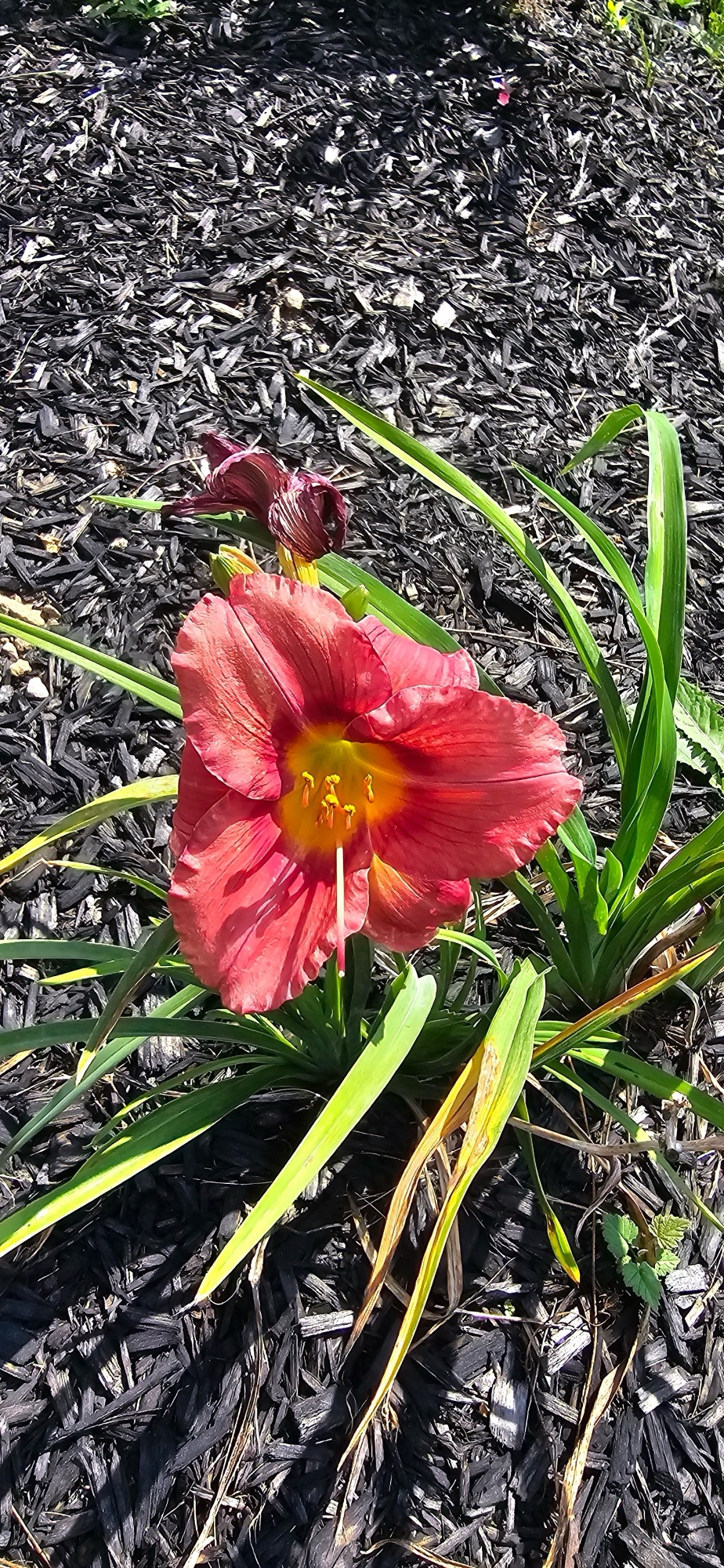
This was the only flower of its type, hanging out amid a bunch of other blooms, eye catching for its color and uniqueness. Per Wikipedia: Daylilies have been found growing wild for millennia throughout China, Mongolia, northern India, Korea, and Japan.[10] There are thousand-year-old Chinese paintings showing orange daylilies that are remarkably similar to the flowers that grace…
-
Queen Anne’s Lace
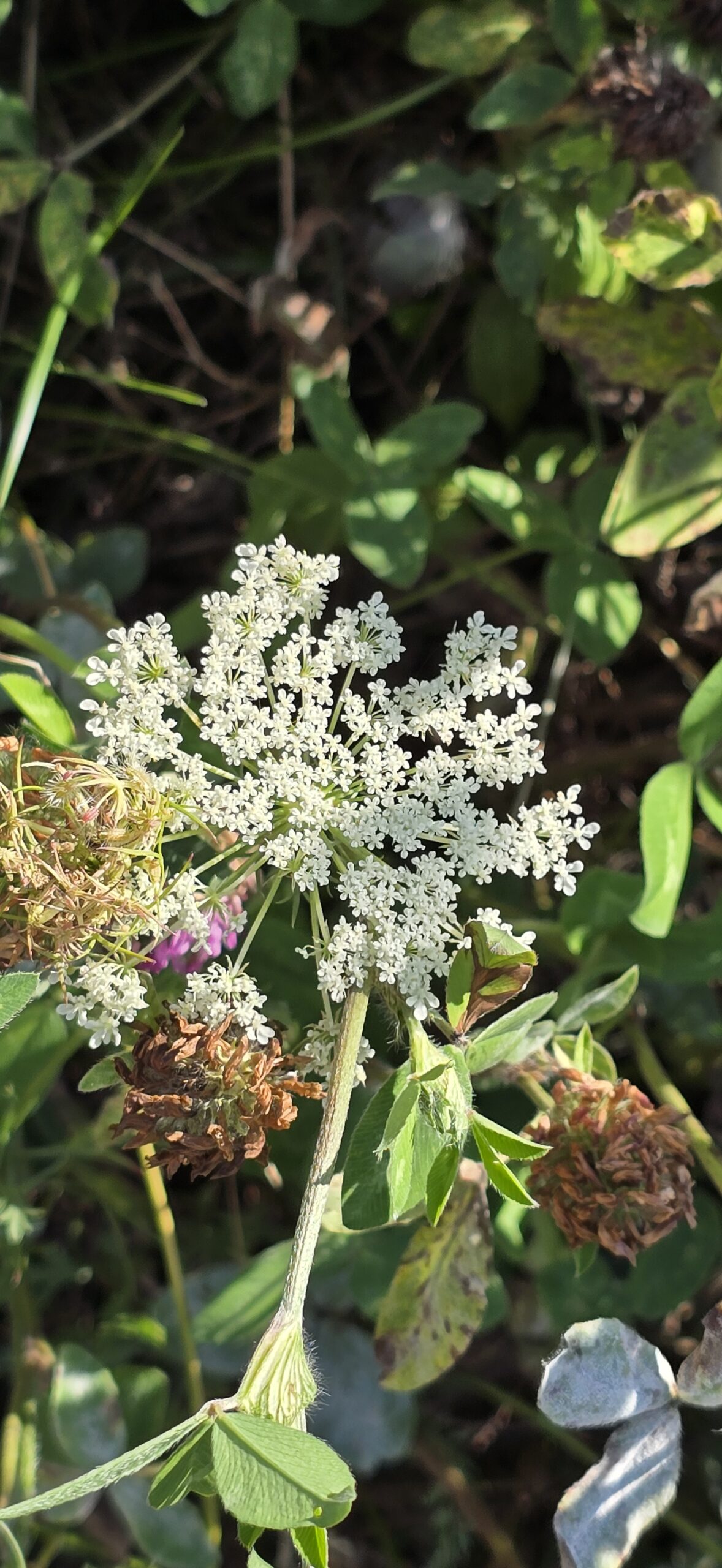
Per Wikipedia: Daucus carota, whose common names include wild carrot, European wild carrot, bird’s nest, bishop’s lace, and Queen Anne’s lace (North America), is a flowering plant in the family Apiaceae. It is native to temperate regions of the Old World and was naturalized in the New World. Other interesting bits on the Wikipedia page…
-
Juvenile Herring Gull
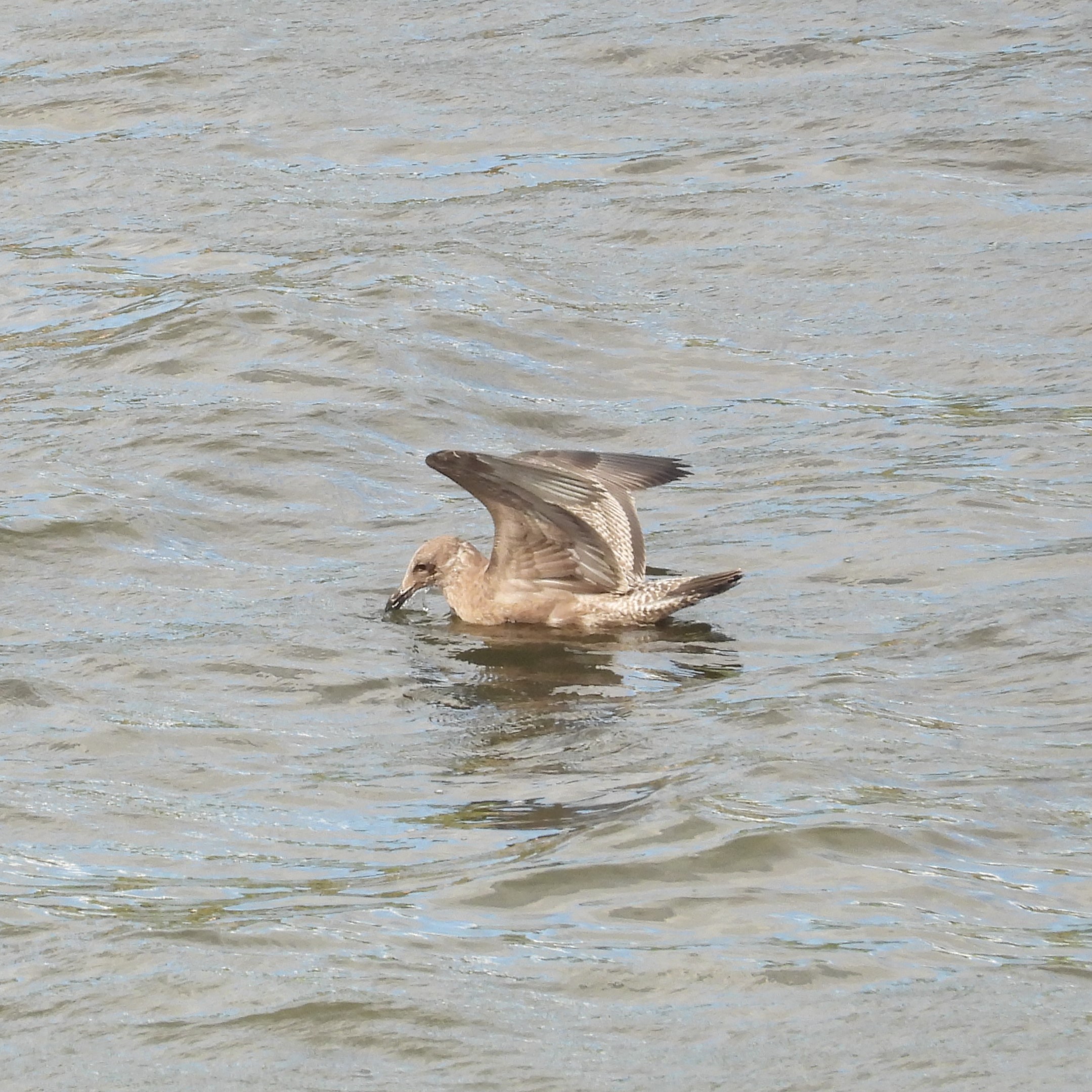
Sailing out of Sydney, Nova Scotia, Canada we saw a LOT of seagulls… which I discovered were Herring Gulls… and interestingly we saw some of the Juvenile’s hanging out… fishing, doing what Juveniles do (i.e. seeming to be playing and generally having fun.) There was one shot when I captured a Juvenile and an adult…
-
Japanese Rose in Canada

Not a new to me flower, but it was beautiful, and rather enchanting the way the lone bloom was growing near a church. From Wikipedia: Rosa rugosa (rugosa rose, beach rose, Japanese rose, Ramanas rose, or letchberry) is a species of rose native to eastern Asia, in northeastern China, Japan, Korea and southeastern Siberia, where it grows on beach coasts, often on sand dunes. It should not be confused with Rosa multiflora,…
-
Zuiderdam in Sydney… Canada

-
Yellow Coneflower
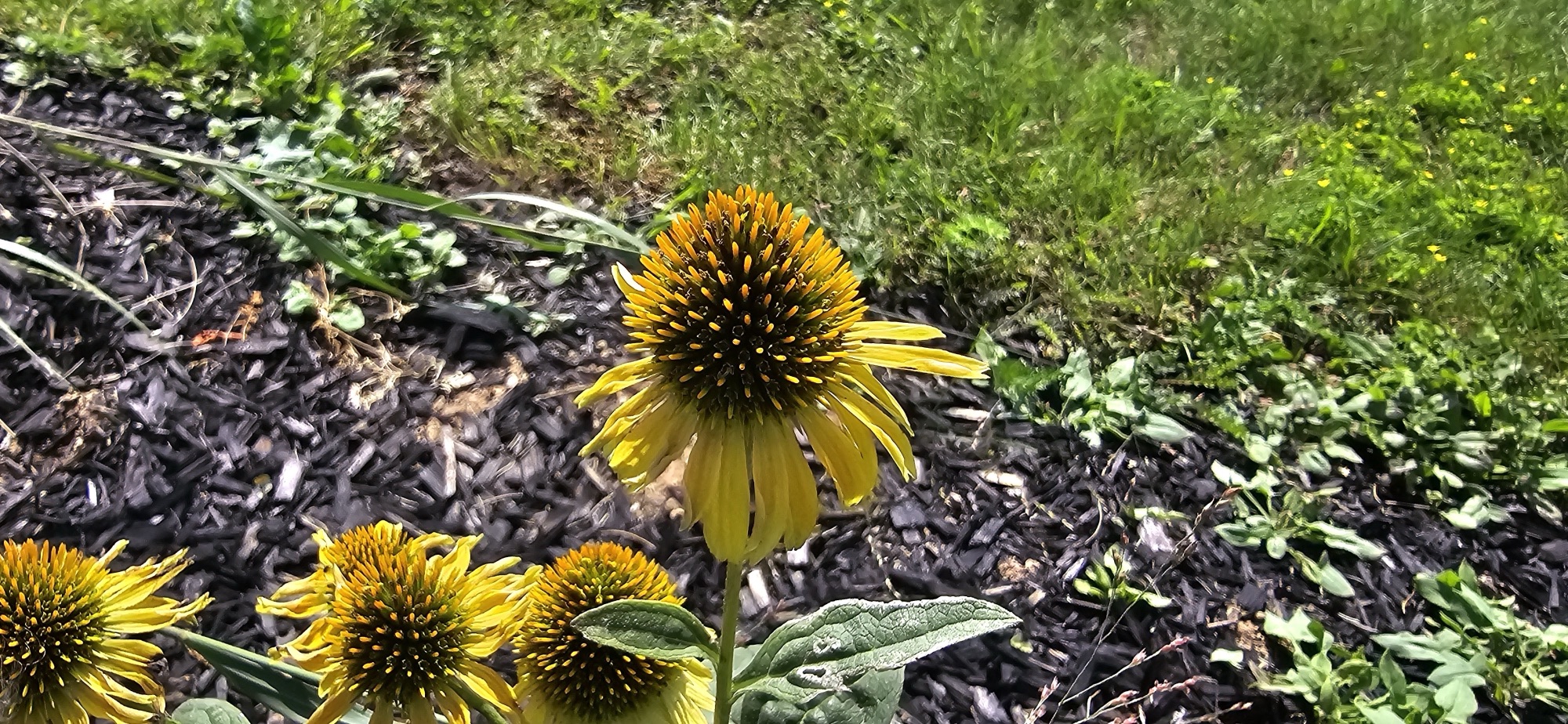
Echinacea paradoxa, the yellow coneflower, Bush’s purple coneflower, or Ozark coneflower, is a North American species of flowering plant in the family Asteraceae. It is native to southern Missouri, Arkansas, and south-central Oklahoma, It is listed as threatened in Arkansas. When the petals are down towards the ground like this I find it easy to understand how they got the name coneflower, this is one of the I…
-
Echinacea Double Scoop Raspberry
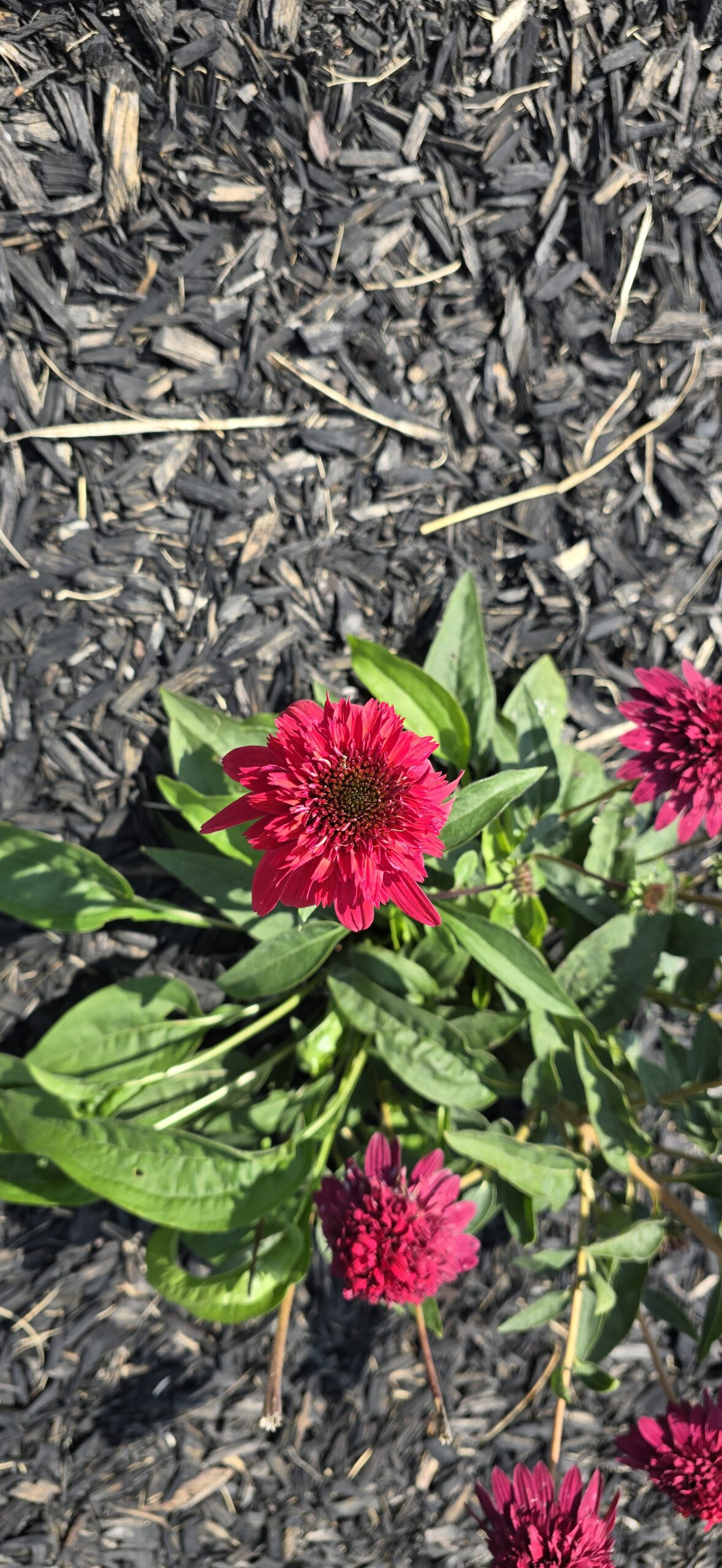
Another coneflower variation. I love the colors in this flower! Per Wikipedia: Echinacea /ˌɛkɪˈneɪsiə, ˌɛkɪˈneɪʃiə/ is a genus of herbaceous flowering plants in the daisy family. It has ten species, which are commonly called coneflowers. They are native only in eastern and central North America, where they grow in wet to dry prairies and open…
-
Up, in the sky… it’s more than just a contrail…

-
Purple Coneflower

From Wikipedia: Echinacea purpurea, the eastern purple coneflower, purple coneflower, hedgehog coneflower, or echinacea, is a North American species of flowering plant in the family Asteraceae. It is native to parts of eastern North America and present to some extent in the wild in much of the eastern, southeastern and midwestern United States as well…
-
Sunrise as we sailed to Quebec

-
Pansy

This beautiful little blossom was tucked away among a huge array of flowers, easy to overlook or miss, just peeking out between the leaves to catch my eye. Per Wikipedia: The garden pansy (Viola × wittrockiana) is a type of polychromatic large-flowered hybrid plant cultivated as a garden flower. It is derived by hybridization from several species in the section Melanium (“the pansies”) of the genus Viola, particularly V.…
-
Canadian Goldenrod
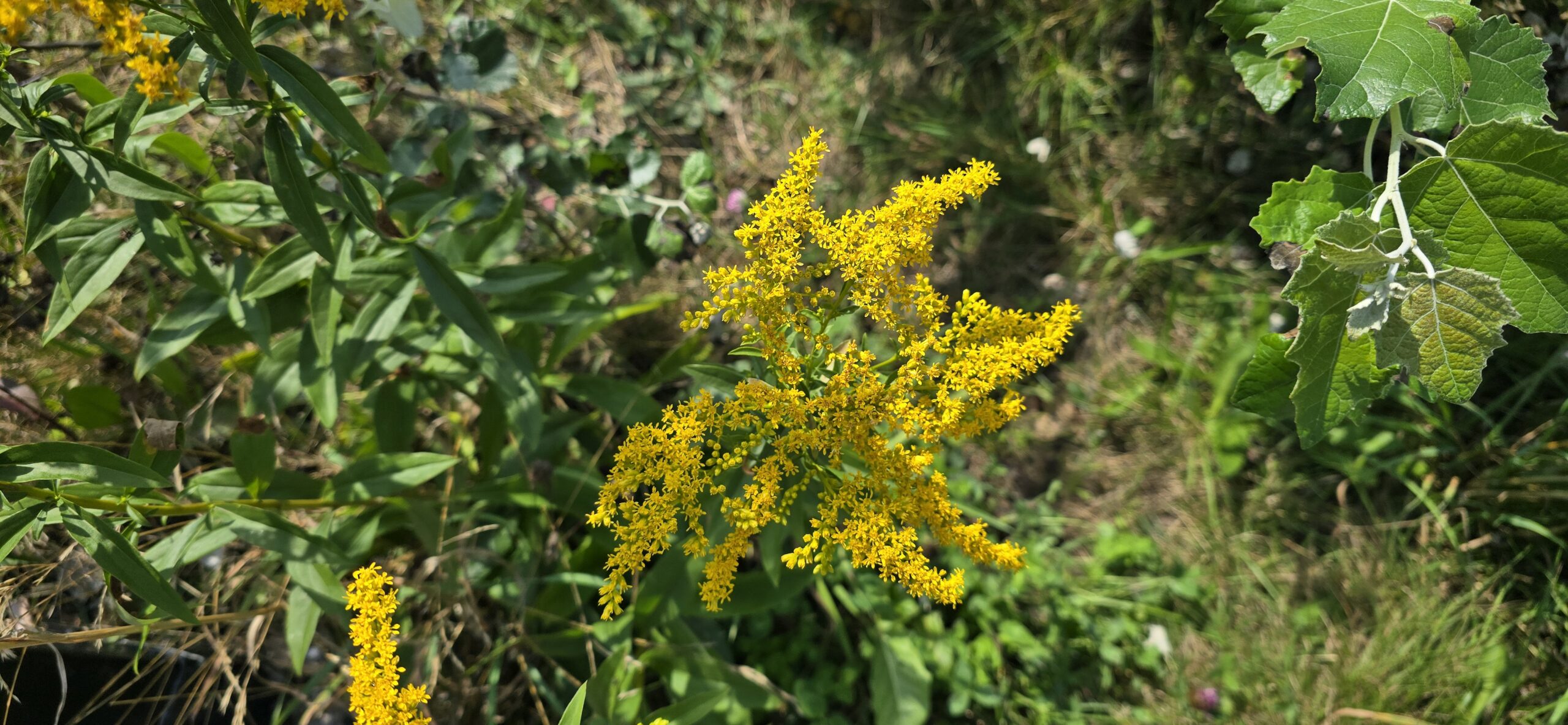
Google Lens identified this plant for me, and Wikipedia tells me: Solidago canadensis, known as Canada goldenrod or Canadian goldenrod, is an herbaceous perennial plant of the family Asteraceae. It is native to northeastern and north-central North America and often forms colonies of upright growing plants, with many small yellow flowers in a branching inflorescence held above the foliage. It is an invasive plant in other…
-
Yellow Toadflax
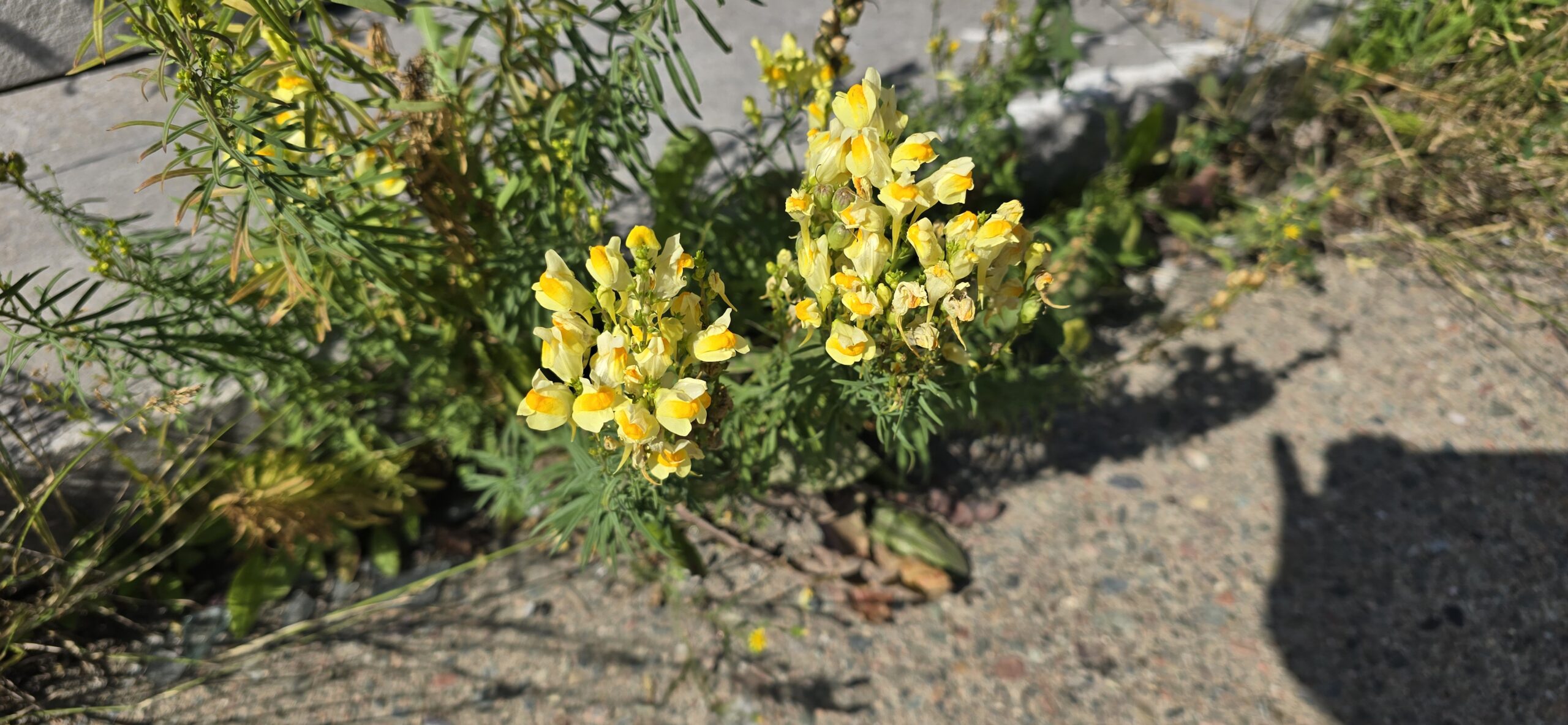
I found a really nice write up about this flower at https://www.tcweed.org/blog/weed-of-the-month-yellow-toadflax where it was the weed of the month… who says weeds can’t be pretty? Yellow Toadflax Origins:Yellow toadflax (Linaria vulgaris) is native to south-central Eurasian region and was introduced to the Americas in the late 1600s for ornamental purposes. Beyond its decorative use,…